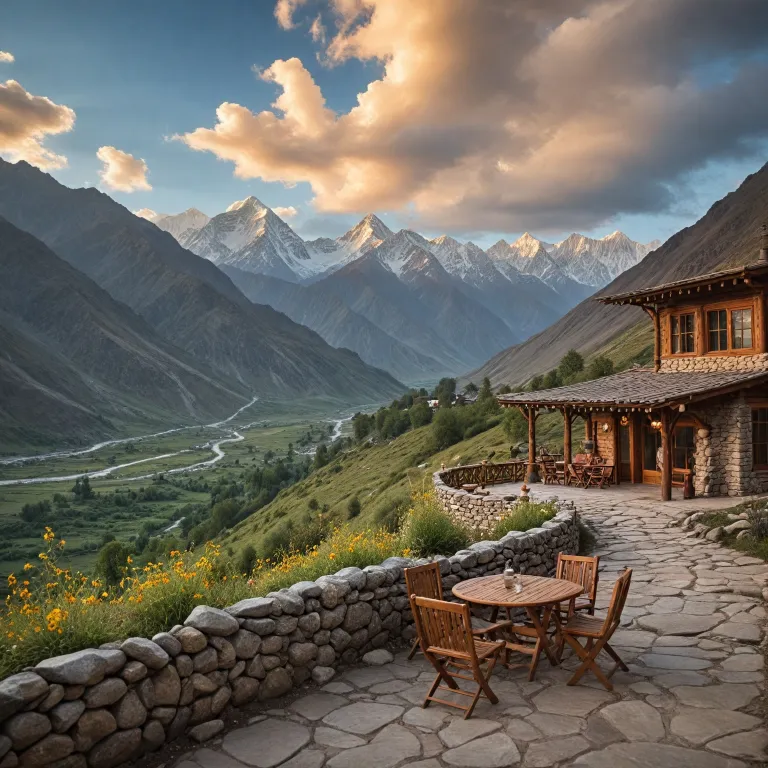
Luxury perspectives on pakistan and the karakoram highway
For discerning travellers, pakistan and the karakoram highway offer a rare blend of raw drama and refined comfort. This legendary highway, often called the kkh, threads through northern pakistan where luxury hotels now frame some of Asia’s most spectacular views. Along every stretch of road, from Hasan Abdal to the high passes, premium stays are reshaping how guests experience altitude, culture, and service.
The karakoram highway connects islamabad with gilgit and onward to china, following the ancient silk road while adding modern engineering and hospitality. Jointly constructed by the Government of Pakistan and the Government of China, the highway opened remote valleys to travellers who now expect curated meals, spa rituals, and seamless travel insurance support. Today, high end properties in gilgit baltistan balance mountain authenticity with polished amenities, from heated rooms to personalised trip planning.
For many visitors, the journey begins in islamabad, where luxury hotels prepare guests for the demanding road north. Concierges arrange private transfers along the highway, coordinate a tailored tour, and secure guides who understand both local culture and high altitude safety. As travellers move toward northern pakistan, they encounter a growing network of premium lodges and guest house options that rival international standards while remaining rooted in local tradition.
Throughout this evolving landscape, the karakoram highway remains the spine of upscale travel. It links the lush hunza valley, the turquoise expanse of attabad lake, and the stark grandeur of khunjerab pass on the pakistan china border. For travellers planning a trip, understanding how luxury and premium hotel booking intersects with this road is now essential to a safe, elegant, and memorable stay.
Designing an elegant trip along the karakoram highway
Planning a refined trip along pakistan and the karakoram highway begins with timing and routing. Spring and early autumn usually offer the most stable road conditions, allowing luxury travellers to enjoy clear mountain views and comfortable temperatures. A well structured travel plan typically starts in islamabad, continues via Hasan Abdal toward gilgit, and then follows the kkh deeper into gilgit baltistan.
High end itineraries often include a multi day tour that blends scenic drives, curated cultural stops, and carefully chosen hotels. A typical day might start with breakfast lunch at a panoramic property overlooking a valley, followed by a guided visit to a local village and a serene lake. Evenings conclude with a leisurely lunch dinner or a formal dinner day service, where chefs reinterpret regional cuisine with contemporary finesse.
Because the karakoram highway reaches elevations above 4,000 m near khunjerab pass, travel insurance with high altitude coverage is essential for every trip. Many premium hotels now assist guests with policy checks, emergency contacts, and coordination with local medical facilities along the road. This attention to detail reflects a broader shift in northern pakistan, where hospitality teams understand that safety, comfort, and elegance must coexist.
Luxury travellers also increasingly request flexible trip code references from tour operators, allowing them to edit their schedule as weather or mood changes. A private travel guide can adjust the route to include extra time at attabad lake or a detour toward fairy meadows near nanga parbat. Throughout, the highway itself becomes more than infrastructure ; it is the narrative thread that connects each refined stay, each shared meal, and each carefully framed mountain vista.
Hunza, lakes, and valleys: where premium stays meet epic scenery
Among all regions along pakistan and the karakoram highway, the hunza valley has become the emblem of elevated yet intimate hospitality. Here, the kkh winds above terraced fields and stone villages, while luxury hotels and refined guest house properties cling to ridges with sweeping views. Travellers planning a trip to hunza often prioritise balconies facing Rakaposhi, Ultar, and the distant shimmer of attabad lake.
Upscale hotels in hunza and wider gilgit baltistan now compete on both views and experiences. Guests might start the day with breakfast lunch on a terrace overlooking the valley, then join a curated tour of historic forts and local markets. Evenings bring multi course lunch dinner menus that highlight apricots, walnuts, and organic produce, paired with mocktails infused with mountain herbs.
For a deeper dive into refined options, many travellers consult a specialised travel guide or curated resources such as a dedicated article on hunza hotels for an elegant stay amid Pakistan’s northern mountains. These references help guests compare room categories, spa offerings, and the quality of guided excursions along the karakoram highway. They also highlight which properties best coordinate side trips to fairy meadows, attabad lake cruises, or photography sessions at sunset.
Beyond hunza, other valleys along the road toward china offer emerging premium stays. Around gilgit, new hotels combine contemporary design with traditional stonework, while in more remote corners of northern pakistan, intimate lodges provide warm service and tailored meals. Whether guests are heading toward khunjerab pass, exploring the wider hunza valley, or continuing along the pakistan china corridor, the right accommodation transforms a demanding road journey into a polished travel experience.
Fairy meadows, nanga parbat, and elevated comfort in remote settings
One of the most sought after detours from pakistan and the karakoram highway leads toward fairy meadows and the north face of nanga parbat. Reaching this area requires leaving the main highway, navigating a narrow road by jeep, and then hiking, which makes thoughtful hotel booking even more important. Travellers often split their trip, staying in a premium property near the kkh before and after the trek to ensure rest and recovery.
In these remote settings, the line between guest house and luxury lodge can blur, but service quality remains central. Many properties now offer private cabins, hot showers, and hearty meals designed for trekkers returning from long days on the trail. A typical dinner day menu might feature nourishing soups, grilled meats, and vegetarian options, all served in warm communal dining rooms that encourage conversation.
Because access roads can be affected by landslides or sudden weather changes, flexible travel insurance and a responsive travel guide are invaluable. Guests should work with hotels and tour operators who can edit itineraries quickly, adjusting the trip code if the road to fairy meadows closes or if conditions around nanga parbat deteriorate. This adaptability reflects the broader reality of northern pakistan, where nature sets the pace and hospitality must respond with calm professionalism.
Despite the challenges, the rewards are immense for travellers who combine the karakoram highway with side trips into high valleys. From the kkh, views of snow peaks and deep gorges frame each day, while evenings bring the comfort of well prepared meals and attentive staff. In this context, luxury is less about opulence and more about thoughtful care, safety, and the ability to rest deeply between demanding segments of the journey.
From islamabad to khunjerab pass: logistics, safety, and refined services
The full stretch of pakistan and the karakoram highway from islamabad to khunjerab pass demands careful logistical planning, especially for travellers seeking premium comfort. The route begins on lower altitude road segments near Hasan Abdal, then gradually climbs through abbottabad, besham, and chilas toward gilgit. Each segment offers a different mix of hotel standards, so advance booking is essential for those who value consistent service.
In islamabad, five star hotels provide a polished starting point, with concierge teams arranging private vehicles, experienced drivers, and a detailed trip code for the journey. As travellers move north along the highway, they transition to upscale lodges and select guest house properties that understand international expectations. Many now include airport style briefings about road conditions, altitude, and emergency procedures as part of their check in experience.
Safety remains a central concern, and reputable operators insist on comprehensive travel insurance that covers high altitude segments near the pakistan china border. At khunjerab pass, where the karakoram highway reaches its highest point, weather can shift quickly even within a single day. Hotels and guides in gilgit baltistan therefore monitor forecasts closely, advising guests when to visit the pass and when to prioritise lower altitude excursions in the hunza valley.
Throughout the journey, meals play a practical and cultural role in maintaining energy and comfort. Properties along the kkh increasingly offer flexible breakfast lunch timings for early departures and late arrivals, as well as refined lunch dinner options for guests returning from long drives. By aligning logistics, safety, and culinary care, the hospitality ecosystem along the karakoram highway turns a demanding overland route into a smooth, elegant travel experience.
Digital booking, trip customization, and the future of luxury stays on the kkh
As interest in pakistan and the karakoram highway grows, digital booking platforms dedicated to luxury and premium stays are becoming crucial. Travellers now expect to compare hotels along the highway, in hunza, and across gilgit baltistan with transparent photos, verified reviews, and clear room descriptions. For international guests, the ability to secure reservations before leaving china or other departure points adds a vital layer of reassurance.
Advanced booking engines increasingly allow guests to edit their trip in real time, adjusting dates, room categories, and add ons such as guided tour packages. A sophisticated system can update the trip code instantly, notify hotels along the road, and coordinate with a preferred travel guide. This flexibility is particularly valuable in northern pakistan, where landslides or sudden snowfall can alter a planned day without warning.
Luxury platforms also integrate travel insurance options directly into the booking flow, encouraging guests to protect their investment while planning their journey along the karakoram highway. Some sites highlight curated itineraries that combine islamabad city stays, hunza valley escapes, attabad lake cruises, and excursions toward fairy meadows or nanga parbat. Others emphasise culinary experiences, showcasing properties known for exceptional breakfast lunch spreads or signature dinner day tasting menus.
Looking ahead, ongoing upgrades to the kkh under broader china pakistan cooperation will likely bring new hotels, refined guest house concepts, and enhanced services along the silk road corridor. As pakistan karakoram infrastructure improves, travellers can expect more consistent standards from Hasan Abdal to the pakistan china frontier. For guests seeking both adventure and elegance, the fusion of digital booking, responsive hospitality, and the timeless drama of the karakoram highway promises an increasingly sophisticated way to travel this iconic road.
Key statistics about the karakoram highway
- Total length of the karakoram highway between pakistan and china is approximately 1,300 km.
- The highest elevation on the highway is near khunjerab pass at about 4,714 m.
- Construction of the kkh took around 13 years in extremely challenging terrain.
- Approximately 1,000 workers lost their lives during the building of this road.
Essential questions about pakistan and the karakoram highway
What is the karakoram highway and why is it important for travellers ?
The Karakoram Highway is a 1,300 km international roadway connecting Pakistan and China, traversing the Karakoram mountain range. It serves as a vital trade route between Pakistan and China and is considered an engineering marvel due to its construction in challenging mountainous terrain. For travellers, it opens access to northern pakistan, including the hunza valley, gilgit, attabad lake, and khunjerab pass, where a growing network of luxury and premium hotels now supports refined overland journeys.
When was the karakoram highway constructed and opened to the public ?
Construction began in 1966 and was completed in 1979; it opened to the public in 1986. This long construction period reflects the extreme conditions faced by workers in the karakoram, where steep cliffs, glaciers, and unstable rock demanded both heavy machinery and manual labour. Today, travellers benefit from that effort through improved access to remote valleys, enhanced tourism infrastructure, and a steadily expanding range of high end accommodation options.
What should luxury travellers know about altitude and safety on the kkh ?
The highest point is near the Khunjerab Pass, at an elevation of 4,714 meters. At these heights, even well prepared guests can experience altitude related symptoms, so gradual ascent, proper hydration, and rest days in places like hunza or gilgit are essential. Luxury hotels and experienced guides along the karakoram highway increasingly provide oxygen, medical contacts, and clear advice, while encouraging guests to secure comprehensive travel insurance before starting their trip.
Sources: Government of Pakistan, Government of China, National Highway Authority (Pakistan)