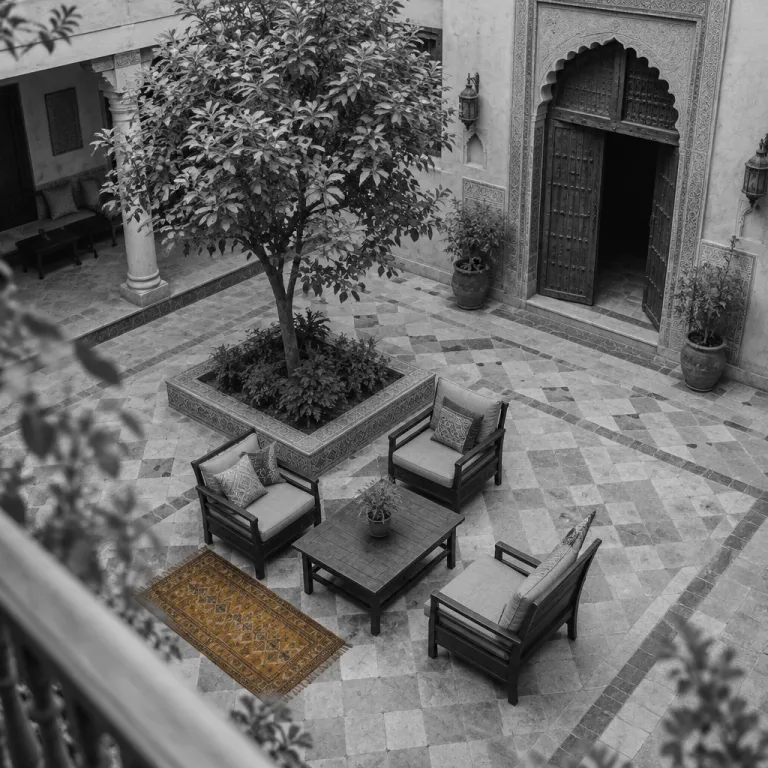
Gujrat city Pakistan for luxury travellers: context, character, and where to stay
Gujrat city in Punjab, Pakistan, lies between the Chenab and Jhelum rivers, forming a strategic corridor that has long shaped trade, warfare, and hospitality. The municipal area of Gujrat serves as the administrative heart of the wider district, which covers about 3,192 square kilometres and anchors a dense network of towns and villages. Recent census data and provincial estimates put the urban population of city Gujrat at just under half a million residents, large enough to support premium hotels while still feeling intimate and local.
Historically, Gujrat founded its reputation as a fortified settlement and later as an industrial hub, and that dual identity still influences where discerning guests choose to stay. Local tradition credits a Surajbansi Rajput ruler, often named Raja Bachan Pal, with establishing an early version of the town, while the Mughal emperor Akbar restored it and some sources note that he renamed it Gujar Akbarabad, leaving a clear Mughal imprint on urban form. When you book a luxury room today, you are often just a short drive from sites linked to Akbar, to emperor Jahangir, and to the later British cantonments that followed the decisive Battle of Gujrat fought in 1849.
The modern district of Gujrat is famous for fan, furniture, ceramics, and metal goods manufacturing, and this industrial success funds a growing premium hospitality scene. Many high-end properties cater to business travellers visiting fan factories by day and to leisure guests exploring Punjabi heritage by evening. For travellers comparing Gujrat city with larger hubs, Lahore is better for grand palace-style stays, while Gujrat city Pakistan excels at quieter, business-friendly hotels close to cultural hotspots, industrial zones, and the main highways that link the district to Lahore, Islamabad, and Sialkot.
Heritage layers in Gujrat city: Mughal echoes, British traces, and Sikh memories
Walking through Gujrat city, you move across layers of Mughal, Sikh, and British history that still shape where cultural hotspots cluster. The Mughal period under Akbar and later under Jahangir Gujrat left mosques, caravan routes, and garden traces that now sit near modern hotels and guesthouses. Several premium properties use this Mughal narrative in their design language, with arches, jali screens, and warm Punjabi colour palettes that echo the era when imperial caravans crossed this corridor and when the city’s bazaars first took shape.
The British era began after the Anglo-Sikh wars, when the British army fought Sikh forces in the Battle of Chillianwala and then in the decisive Battle of Gujrat. One of the most important historical facts for visitors is captured in the line: “What key historical battles occurred here?” and the precise answer: “Battle of Chillianwala and Battle of Gujrat.” These battles reshaped control over Punjab, and the British administration later formalised Gujrat as a municipality, leaving behind colonial-era schools, churches, and civic buildings that now sit within easy reach of city hotels and business districts.
Sikh and Sikhs heritage remains visible in shrines and gurdwaras around the district, and many culturally curious guests choose hotels that allow early morning visits before the day’s heat. A local guide once summed it up simply: “In one day you can stand where Sikhs fought, where British officers planned, and where Mughal caravans rested.” If you are planning a wider Mughal-themed itinerary that links Gujrat city Pakistan with Lahore, it is worth reading a detailed guide to Mughal-era heritage hotels in Lahore to understand how different cities interpret the same imperial legacy. In Gujrat city, the contrast between Mughal and British layers is sharper, and premium hotels often sit at the junction of both, close to old bazaars yet near modern industrial estates and transport hubs.
Languages, people, and service culture in Gujrat’s premium hotels
Any stay in Gujrat city Pakistan is shaped by the people who host you, and their linguistic and cultural background matters for service quality. The dominant language in the city and district is Punjabi, spoken in several accents, while the national Urdu language functions as a bridge tongue in hotels, shops, and transport hubs. Many front office teams also handle English comfortably, which helps international guests navigate menus, billing, and local recommendations without stress.
When you hear staff switch between Punjabi and Urdu, you are listening to centuries of interaction between local communities, traders from Kashmir, and administrators from different empires. The question “What languages are spoken in Gujrat?” has a clear answer: “Punjabi majority, with Urdu, Pashto, others,” and this mix is reflected in the multilingual signage you will see in city Gujrat. For travellers, this linguistic diversity means you can request guidance in the Urdu language, ask for translations of historical terms like battle Gujrat, and still enjoy casual conversations with local people in simple English.
Service culture in premium properties here tends to be warm but understated, shaped by Punjabi hospitality norms and by exposure to business guests from across Pakistan and from the diaspora. Staff often come from families linked to manufacturing, so they understand the rhythms of factory visits and export meetings that bring many guests to Gujrat city. Popular premium options such as Hotel One Gujrat on Bhimber Road, the Shelton chain near key intersections, and well-rated local boutiques typically offer airport or station pick-up on request, and if your journey includes religious or heritage circuits, such as Sikh sites or Gandhara remains further west, you may also appreciate reading about Pakistan’s hospitality along major pilgrimage routes before finalising your hotel choices.
Cultural hotspots near premium hotels in Gujrat city Pakistan
Several of Gujrat’s most interesting cultural hotspots sit within a short drive of the main hotel clusters, making it easy to combine comfort with exploration. Zahoor Elahi Cricket Stadium is a key landmark, and many travellers choose hotels along routes that pass this stadium to reach the Chenab riverfront. The stadium, named after the politician Zahoor Elahi, often hosts regional matches and events that draw people from across the district and beyond, and match days can noticeably increase traffic around central hotels.
Shahbaz Sharif Park, located near the Chenab, offers a green escape where families stroll in the evening and where hotel guests can unwind after meetings. From many Gujrat city hotels, a 15 to 20 minute drive brings you to this riverside park, where you can watch the light fade over the water and sample local food from nearby stalls. The combination of river views, parkland, and easy access from the urban core makes this area particularly attractive for travellers who want both nature and city energy during a short stay.
Another cultural highlight is the Mela Shah Jahangir festival, held at the shrine of Shah Jahangir, which draws devotees, traders, and performers from across Punjab and even from parts of Kashmir. During the mela period, premium hotels in Gujrat city Pakistan often see higher occupancy, and advance booking becomes essential for guests who want quiet rooms yet quick access to the shrine. When planning your stay, ask your hotel concierge about festival dates, traffic patterns, and the best times to visit the Shah Jahangir complex to avoid crowds while still experiencing the atmosphere.
Food, festivals, and how history shapes Gujrat’s urban stays
Gujrat city’s culinary scene is deeply Punjabi, and local food traditions are one of the strongest reasons to stay inside the city rather than commute from elsewhere. Many premium hotels now collaborate with nearby restaurants and caterers to offer dishes such as saag, grilled meats, and Chenab river fish, allowing guests to taste regional flavours without sacrificing hygiene or comfort. Breakfast buffets often include both continental options and Punjabi favourites, reflecting the mix of business and leisure travellers who pass through the district.
History also shapes how and where people gather in Gujrat city Pakistan, especially around anniversaries linked to the Battle of Gujrat and to other conflicts that were fought in this corridor. Memorials and graveyards connected to the Anglo-Sikh wars remind visitors of the death and sacrifice that accompanied the transition from Sikh to British rule, and some guests choose to visit these sites between meetings. When you walk through such places, the contrast between the quiet lawns and the noise of the modern city underlines how far Gujrat has travelled from battlefield to industrial hub.
Festivals such as the Mela Shah Jahangir, religious processions, and cricket events at Zahoor Elahi Stadium all influence hotel pricing and availability. During peak periods, it can be wise to secure a room in a central property and then use ride-hailing services to reach outer neighbourhoods for specific events. If you are combining Gujrat with a stay in Lahore, consider balancing a heritage-focused property there with a more business-oriented hotel here, using resources like this guide to an elegant urban retreat in Lahore’s Johar Town to calibrate your expectations.
Practical booking strategies for luxury and premium stays in Gujrat
When booking a premium hotel in Gujrat city Pakistan, start by mapping your key cultural and business stops across the district. If your schedule centres on industrial visits to fan and furniture factories, prioritise properties near main highways, which reduce transfer times and keep you close to suppliers. Travellers focused on heritage, language immersion, and local food may prefer hotels nearer the old city, where bazaars, shrines, and parks are more accessible and evening walks feel more atmospheric.
Room selection matters in a city where temperatures can rise sharply and where traffic noise varies by neighbourhood. Higher-floor rooms facing inner courtyards usually offer quieter nights, while river-facing rooms near the Chenab can provide better views but sometimes more evening activity. For guests sensitive to sound, it is worth requesting rooms away from wedding halls or event spaces, which are common in Punjabi cities and can run late into the night, especially during the winter wedding season.
Payment flexibility and cancellation policies are also important, especially if your plans involve events like the Mela Shah Jahangir or cricket fixtures at Zahoor Elahi Stadium that may shift dates. Many premium hotels in Gujrat city now offer online booking with clear terms, but it is still wise to confirm details by phone in Urdu or English. If you are travelling from Kashmir or from other provinces, check whether your chosen property can arrange airport or station transfers, as this service is not yet universal across the district and may need to be reserved in advance.
Linking Gujrat city Pakistan to wider Punjabi and Kashmiri itineraries
Gujrat’s location between Lahore, Islamabad, and the approaches to Kashmir makes it a natural stop on wider northern Pakistan itineraries. For travellers tracing Punjabi heritage, a route that connects Gujrat city, Lahore, and the Sikh sites around Narowal and Kartarpur offers a coherent narrative of Mughal, Sikh, and British eras. In this context, Gujrat city Pakistan functions as both a cultural waypoint and a practical base with reliable hotels, strong road links, and easy access to nearby districts.
Guests coming from or heading towards Kashmir often appreciate breaking the journey in Gujrat to rest, sample local food, and visit riverside parks before continuing into hill terrain. The district’s literacy rate, reported at just over 80 percent in recent provincial statistics, contributes to a service workforce that can handle complex travel requests and multi-city itineraries. When you speak with hotel staff about onward travel, you are drawing on a local knowledge base shaped by decades of migration, trade, and education.
For those interested in military history, combining Gujrat with visits to battlefields like Chillianwala and to museums in larger cities can provide a deeper understanding of how this corridor was fought over. The story of Gujrat founded in legend, restored under Mughal rule, contested in the Battle of Gujrat, and then integrated into British Punjab gives context to every fort, bridge, and cantonment you pass. Choosing premium hotels that respect this layered past while offering modern comfort allows you to experience the city as more than a waypoint, turning Gujrat into a meaningful chapter in your journey.
Key figures and travel relevant statistics for Gujrat city Pakistan
- The urban population of Gujrat city is estimated at around 450,000 to 500,000 people in recent counts, which is large enough to support multiple premium hotels yet small enough to keep traffic manageable compared with Lahore or Karachi.
- The wider Gujrat district covers roughly 3,192 square kilometres, so staying in the city centre can significantly reduce daily travel times to industrial zones and cultural hotspots across this area.
- The literacy rate in Gujrat district stands at approximately 81 percent in recent Punjab figures, one of the higher ratios in the province, which contributes to a hotel workforce comfortable with Urdu language, Punjabi, and often English.
- Fan, furniture, ceramics, and metal goods manufacturing form the industrial backbone of Gujrat, and many business travellers book hotels here specifically to visit these sectors, which operate dozens of factories and workshops across the district.
- Gujrat’s location along the west bank of the Chenab River, between the Chenab and Jhelum rivers at around 32.57°N and 74.08°E, makes it a convenient overnight stop on routes linking Lahore, Islamabad, and the approaches to Kashmir.
Frequently asked questions about luxury stays in Gujrat city Pakistan
What is Gujrat city Pakistan best known for among travellers ?
Gujrat city Pakistan is best known for its fan, furniture, ceramics, and metal goods industries, as well as for its role in major historical conflicts such as the Battle of Gujrat. Travellers often combine factory visits with trips to cultural hotspots like Zahoor Elahi Cricket Stadium, Shahbaz Sharif Park, and the shrine of Shah Jahangir. The city also serves as a practical base between Lahore, Islamabad, and routes towards Kashmir for both business and heritage-focused itineraries.
Which languages will I hear and use in Gujrat’s premium hotels ?
The primary language in Gujrat city and district is Punjabi, spoken in various local accents. Hotel staff almost always speak the national Urdu language as well, and many can communicate in English, especially in front office and management roles. This mix makes it easy for domestic and international guests to handle bookings, transport, and cultural guidance without worrying about language barriers.
How safe and convenient is Gujrat for high end business travel ?
Gujrat is considered a practical and generally safe destination for business travellers, particularly those visiting manufacturing units in the fan and furniture sectors. The city’s road links to Lahore, Islamabad, and Sialkot are strong, and premium hotels usually offer secure parking, meeting rooms, and reliable internet. As in any Pakistani city, using registered transport services and following hotel security advice is recommended, especially when travelling late at night.
What cultural sites are easily accessible from central hotels in Gujrat ?
From most central hotels in Gujrat city Pakistan, guests can reach Zahoor Elahi Cricket Stadium, Shahbaz Sharif Park by the Chenab, and the Shah Jahangir shrine within short drives. During the Mela Shah Jahangir festival, these areas become especially vibrant, with processions, stalls, and devotional music. Several colonial-era and Mughal-influenced sites are also scattered across the city and nearby villages, and hotel staff can usually recommend trusted local guides.
Is Gujrat a good base for exploring other parts of Punjab and Kashmir ?
Yes, Gujrat’s position between Lahore, Islamabad, and the approaches to Kashmir makes it an efficient base for multi-city itineraries. Travellers can use premium hotels in Gujrat city as overnight stops when moving between plains and hill regions, or as longer bases for industrial and heritage exploration. The combination of high literacy, strong road links, and growing hospitality options supports this role effectively for both domestic and international visitors.
References : Pakistan Bureau of Statistics ; Government of Punjab tourism materials ; Pakistan Board of Investment sector profiles ; Punjab Development Statistics (latest available editions).