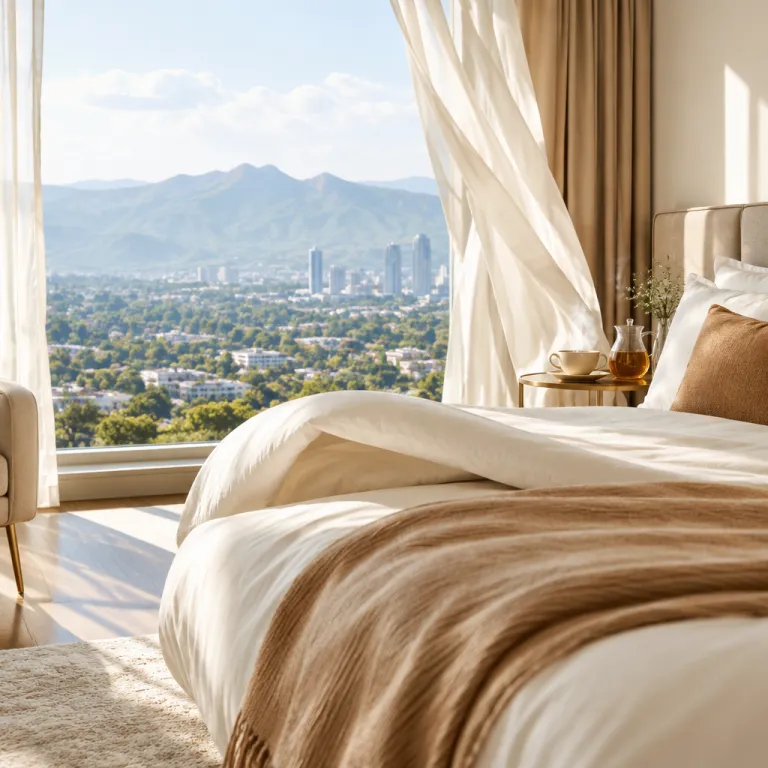
Marriott Pakistan as an urban retreat for discerning travellers
Marriott Pakistan represents a network of trusted urban retreats for travellers who value consistency, refinement, and reliable security. In the capital city, the Islamabad Marriott stands beside key government and diplomatic buildings, which makes this hotel a strategic base for both business and leisure guests. Many people choose a Marriott hotel in Pakistan because they want international standards with a clear focus on guest protection, attentive service, and predictable comfort.
The story of Marriott Pakistan cannot be separated from the tragic hotel bombing at the Islamabad property on 20 September 2008, when a truck packed with explosives caused a devastating blast near the entrance. According to contemporary reporting from outlets such as the BBC, the attack killed at least 53 people and injured more than 260, including foreign guests and Pakistani staff, and it reshaped how every major hotel in Pakistan thinks about security and risk management. Since that hotel blast, the Islamabad Marriott and other properties have invested heavily in layered protection, from reinforced perimeters and vehicle stand-off barriers to trained security guards and close coordination with police and government agencies.
For travellers, this history matters because it explains why security checks at any Islamabad hotel or other international hotel in Pakistan feel more visible than in many countries. You may see police vehicles, bomb-sniffing dogs, and controlled vehicle access, especially when a prime minister, a foreign minister, or a visiting president is staying at a Marriott hotel. These measures are a direct response to the earlier attack and bombing, and they are designed to reassure both Pakistani guests and foreign visitors that terrorism risks are being taken seriously while daily operations remain as smooth as possible.
Islamabad Marriott today: safety, service, and city access
The Islamabad Marriott today operates as a polished urban retreat, combining high security with warm Pakistani hospitality and full-service hotel facilities. Located close to the diplomatic enclave, the hotel Islamabad property is frequently used by embassy teams, international organisations, and business travellers who need quick access to ministries and the Supreme Court. English is widely spoken among staff, which helps people arriving from British Airways flights or other international airlines feel immediately at ease, whether they are checking in for a short stopover or a longer assignment.
Security at the Islamabad hotel is multi-layered, with vehicle screening, walk-through scanners, and trained security guards positioned at key points, but these checks are integrated into a calm arrival experience. Measures were strengthened after the Islamabad blast, and subsequent reviews by Pakistani authorities led to stricter standards on access control and emergency planning. Since that attack, the government and hotel management have worked closely with police and counter-terrorism units to refine protocols, especially during the holy month when public spaces and hotels can be more crowded and when official delegations often move between ministries and the hotel.
Beyond security, guests find a full range of amenities that make the Islamabad Marriott feel like a self-contained city base. Typical facilities include multiple restaurants serving Pakistani and international cuisine, a lobby lounge for informal meetings, a fitness centre and spa, and business-friendly services such as meeting rooms, high-speed internet, and executive floors. Guests who want a quieter urban stay in Islamabad sometimes combine a night at the Islamabad Marriott with a more intimate property such as an elegant urban retreat in Islamabad. This strategy lets people enjoy the full-service facilities of a large international hotel while also experiencing a different side of the city. Whether you stay one night or several, the key advantage of Marriott Pakistan in Islamabad is the balance between proximity to power, strong security, and the comfort of familiar global standards.
Urban luxury across Pakistan: how Marriott fits into the wider landscape
While the Islamabad Marriott is the most politically visible property, Marriott Pakistan also connects with a broader ecosystem of premium hotels in major cities. Travellers often compare a Marriott hotel with other established names such as Pearl Continental in Karachi or Lahore when planning a multi-city itinerary that might include corporate meetings, family visits, and sightseeing. Each hotel offers a different expression of Pakistani hospitality, yet all compete on security, service, culinary variety, and access to business districts and transport hubs.
In Karachi, for example, many guests pair a stay at a Marriott property with nights at other premium addresses, including a refined stay at a landmark on Club Road such as a classic five star hotel in Karachi. This approach allows people to experience both international chains and strong local brands while still prioritising safety and convenience, especially when meetings are spread across different neighbourhoods. Across Pakistan, from Karachi to Islamabad, the government and police maintain a visible presence around major hotels, especially when foreign delegations, a visiting president, or a prime minister is in town, and this official attention reinforces the perception that these properties are treated as sensitive sites.
Security concerns are never far from mind in a country that has faced terrorism, including the infamous hotel blast in Islamabad that killed both Pakistani citizens and foreign nationals, but they sit alongside more everyday travel considerations such as traffic, dining options, and meeting schedules. The response from the hospitality sector has been to raise standards rather than retreat, with Marriott Pakistan and its peers investing in surveillance, staff training, and coordination with the interior ministry while also upgrading rooms, conference facilities, and food and beverage offerings. For travellers, this means that a modern hotel in Pakistan often feels like a carefully managed urban fortress, where comfort, cuisine, and connectivity coexist with discreet but firm protection and a professional, service-oriented culture.
From tragedy to transformation: how the Islamabad hotel blast reshaped security
The bombing at the Islamabad Marriott was a turning point for hotel security in Pakistan and across the region. A truck loaded with explosives detonated near the entrance, creating a massive blast that destroyed much of the façade and caused a deadly fire that burned for hours. Among those killed were Pakistani staff, foreign guests, and security personnel who tried to stop the vehicle before it reached the main lobby, and the incident quickly became a reference point in global discussions about hotel vulnerability.
The attack drew immediate condemnation from the Pakistani president, the prime minister, and foreign governments, including the Czech Republic and the United Kingdom. Reports from the Czech Foreign Ministry later confirmed that their ambassador to Pakistan, Ivo Žďárek, was among the people killed in the hotel bombing, which highlighted the international impact of the tragedy and the risks faced by diplomats. Pakistani officials such as Rehman Malik, then an adviser on interior affairs, described the bombing as a direct strike against the state, not just against one hotel in Islamabad, and public briefings at the time framed it as an assault on national institutions.
In the aftermath, the government of Pakistan worked with hotel operators, police, and international security advisers to redesign protection measures at every major Islamabad hotel and other high-profile properties. The Islamabad blast prompted new rules on access control, building resilience, and emergency evacuation procedures, especially for hotels that regularly host a president, a prime minister, or foreign ministers, and these changes were widely reported in local and international media. For Marriott Pakistan, this meant rebuilding the Islamabad Marriott with a stronger focus on security and continuity, while still maintaining the welcoming atmosphere that defines Pakistani hospitality and ensuring that guests could continue to use the property for conferences, weddings, and diplomatic events.
Planning a safe and luxurious stay with Marriott Pakistan
When planning a trip to Pakistan, many travellers now evaluate hotels through two lenses, security and experience. Marriott Pakistan scores strongly on both, particularly in Islamabad where the Marriott hotel sits close to embassies, ministries, and major corporate offices and offers a full range of business and leisure facilities. Guests appreciate that English-speaking staff can coordinate with airlines such as British Airways, arrange airport transfers, and liaise with police or government contacts when high-level delegations are involved or when road closures affect arrival times.
Safety-conscious travellers often ask detailed questions about security protocols, especially after learning about the earlier hotel blast and the broader history of terrorism in the country. Staff at the Islamabad Marriott are trained to explain screening procedures, emergency exits, and coordination with local authorities without creating unnecessary alarm, and they can also advise on best times to travel through the city or how to register with an embassy if required. This transparency helps people feel informed and respected, whether they are Pakistani nationals, foreign diplomats, or international business executives, and it complements more traditional hospitality touches such as welcome drinks, concierge support, and flexible check-in arrangements.
For those who want to extend their journey beyond the capital, it is common to combine an urban stay at a Marriott hotel with a resort-style escape in the mountains or by a lake. One popular option is to book a refined lakeside escape at a renowned property in Skardu, such as a celebrated resort hotel in Skardu, which contrasts beautifully with the intensity of Islamabad and the formality of diplomatic districts. This mix of city and nature showcases the diversity of Pakistan, while Marriott Pakistan anchors the urban portion of the itinerary with reliable standards, strong security, and the conveniences that frequent travellers expect, from loyalty programmes to late check-out options.
Diplomacy, governance, and the symbolic role of the Islamabad Marriott
The Islamabad Marriott is more than a place to sleep, it functions as an informal stage for diplomacy and governance in Pakistan. Over the years, the hotel has hosted meetings involving the prime minister, cabinet ministers, and visiting foreign dignitaries, which has turned its lobby into a familiar backdrop for political reporting and television footage. When a president or prime minister holds side meetings away from official residences, a secure hotel in Islamabad often becomes the venue of choice, offering neutral ground, controlled access, and professional conference support.
During tense periods, such as after major attacks or during the holy month when security alerts can rise, the presence of senior officials at the Islamabad hotel sends a signal of resilience and continuity. Pakistani presidents, including Asif Ali Zardari, have used high-profile hotels to meet foreign ministers and ambassadors and to host press conferences or donor gatherings. For example, when an ambassador to Pakistan from a country like the Czech Republic or another European state visits, the Islamabad Marriott or a similar property often hosts the delegation due to its strong security, central location, and ability to provide discreet meeting spaces alongside larger banquet halls.
This close relationship between government, police, and hotel management reinforces the importance of Marriott Pakistan within the national security architecture. The same protocols that protect a visiting president or foreign minister also protect ordinary people who are simply checking in for a business trip, a family celebration, or a weekend break in the capital. For guests, this means that staying at a Marriott hotel in Pakistan offers not only comfort and service, but also the reassurance that the property is treated as critical infrastructure by the state and that contingency plans are regularly reviewed and practised.
Practical tips for booking Marriott Pakistan for urban retreats
Travellers who want to use Marriott Pakistan as a base for urban exploration should plan with both comfort and security in mind. Start by checking room categories at the Islamabad Marriott or other Marriott hotels in Pakistan, paying attention to floor level, view, and proximity to lifts or emergency exits, as well as whether you prefer a standard room, club-level access, or a suite. Many people prefer mid-level floors, which balance views with easier evacuation in the unlikely event of an emergency such as a fire or a security incident, and which can also be quieter than rooms directly above busy lobbies or event spaces.
When booking an Islamabad hotel, it is wise to share your flight details, especially if you are arriving on late-night international services such as those operated by British Airways or other carriers. The hotel can coordinate secure airport transfers, liaise with police checkpoints if needed, and ensure that your arrival is logged with security staff at the gate, reducing waiting time at the entrance. During the holy month or on days when large political events are scheduled, traffic around the diplomatic enclave and the Islamabad Marriott can be heavy, so allow extra time for both road closures and security screening, and consider flexible check-in arrangements if your schedule is uncertain.
Finally, remember that the legacy of the Islamabad blast and earlier terrorism incidents has made hotels in Pakistan more vigilant, not less welcoming. Staff are trained to treat every guest with respect while still enforcing rules on vehicle access, baggage screening, and visitor registration, which protect both Pakistani nationals and foreign visitors and are now standard practice at major properties. By understanding this context and choosing a reputable property such as a Marriott hotel, you can enjoy an elegant urban retreat that reflects both the resilience and the warmth of modern Pakistan, with the added reassurance that lessons from past incidents have been translated into concrete safety improvements.
Key figures and security context for Marriott Pakistan
- According to public reports from Pakistani authorities and international media, the bombing at the Islamabad Marriott on 20 September 2008 killed more than 50 people and injured hundreds, which made it one of the deadliest attacks on a hotel in Pakistan at the time and a catalyst for new security standards.
- Following the Islamabad blast, major hotels in the capital reviewed vehicle access, entrance design, and emergency procedures to reduce the impact of any potential attack near the main structure and to strengthen coordination with law-enforcement agencies.
- Data from Pakistan’s tourism and hotel industry show that international arrivals have gradually recovered in the years following major terrorism incidents, with business and diplomatic travel leading the rebound in cities such as Islamabad and Karachi and encouraging continued investment in premium hotels.
- Many foreign business travellers in Pakistan prefer to stay in internationally branded hotels such as Marriott because of perceived security and service standards, loyalty benefits, and consistent room quality across different cities.
Frequently asked questions about Marriott Pakistan and urban hotel stays
Is it safe to stay at the Islamabad Marriott now ?
The Islamabad Marriott operates with extensive security measures, including vehicle screening, metal detectors, and trained security guards who coordinate with local police and other agencies. These protocols were strengthened after the earlier hotel bombing and are regularly reviewed with government partners and external advisers. While no hotel anywhere can guarantee absolute safety, the property is treated as a high-priority site by Pakistani authorities and benefits from visible and behind-the-scenes protection.
How does Marriott Pakistan handle security checks for guests ?
Guests at Marriott hotels in Pakistan typically pass through walk-through scanners, have bags screened, and may encounter vehicle inspections at the gate before reaching the main entrance. These checks are designed to be thorough yet respectful, with staff trained to assist families, elderly guests, and people with disabilities and to keep queues moving efficiently. The goal is to reduce terrorism risks while maintaining a calm and professional atmosphere that still feels like a welcoming hotel rather than a checkpoint.
Can I book airport transfers through the Islamabad Marriott ?
Yes, the Islamabad Marriott and other Marriott properties in Pakistan can arrange airport transfers with vetted drivers and vehicles, often using cars familiar with local security procedures and road conditions. This service is especially useful for late-night arrivals on international flights, including those operated by British Airways and other carriers, or for guests carrying sensitive equipment. Sharing your flight details in advance allows the hotel to coordinate timing and security more effectively and to adjust plans if schedules change.
What should I consider when choosing a room at a Marriott hotel in Pakistan ?
When selecting a room, consider floor level, proximity to emergency exits, and your need for quiet or city views, as well as whether you want access to an executive lounge or additional workspace. Many travellers prefer mid-level floors for a balance between safety and convenience, especially in large urban hotels, and some request rooms away from main roads or event spaces to reduce noise. If you have specific security or accessibility concerns, inform the hotel in advance so they can recommend the most suitable room type and note your preferences in the reservation.
How does the history of the hotel blast affect current stays ?
The history of the Islamabad hotel blast has led to stronger building standards, more rigorous staff training, and closer cooperation between hotels, police, and the government, all of which shape the guest experience today. For current guests, this translates into visible security measures, well-rehearsed emergency procedures, and staff who are accustomed to answering questions about safety in a clear and reassuring way. While the memory of the attack remains, it has driven long-term improvements that benefit both Pakistani and foreign travellers and have become part of the reason many visitors choose internationally recognised brands such as Marriott Pakistan.