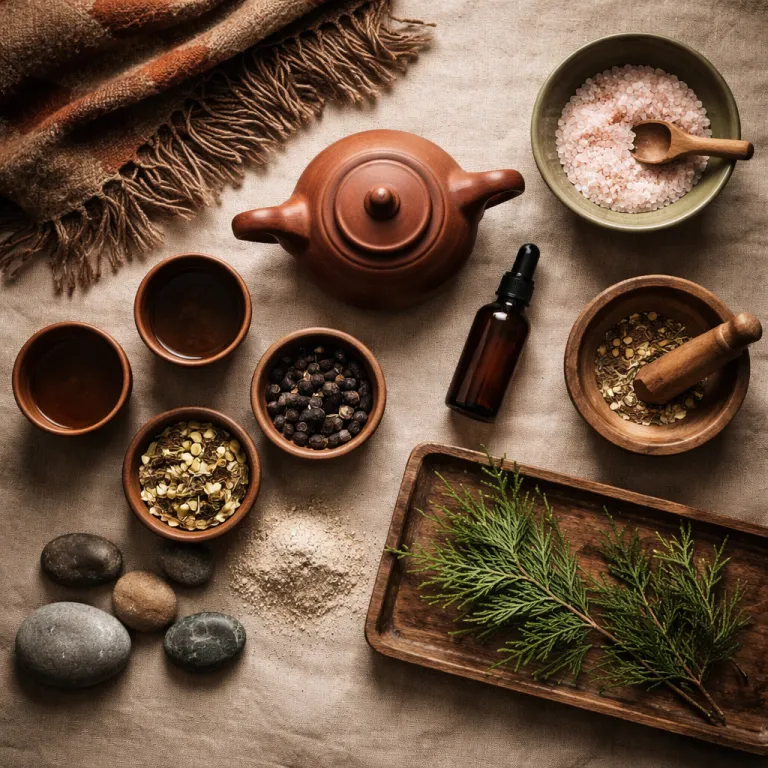
Why a wellness retreat in northern Pakistan starts before the spa menu
Serious wellness travelers arrive in northern Pakistan with a different brief. They know a wellness retreat in northern Pakistan is defined less by scented treatment rooms and more by altitude, air and the quiet rhythm of the valley days. In this part of Pakistan, the most transformative retreats begin when you step out of the car and feel your mind and body slow to match the mountains.
Think of the trip as a nature retreat first and a spa stay second. The high quality properties that matter here organise every day around four elements that shape physical and mental balance: air, food, rest and walking. When you compare retreats in Pakistan, ask how each place uses these elements rather than how many massages you can book in three days.
Altitude is the first variable to respect, especially for Pakistan travelers flying straight from sea level. Karimabad in Hunza sits around 2,500 metres (about 8,200 feet), while the Khunjerab Pass on the Pakistan–China border rises above 4,600 metres (over 15,000 feet), so a considered wellness retreat will build in gentle days for acclimatisation. That slower pace gives people free time to enjoy refreshing walks, connect with nature through quiet breathing and let the nervous system catch up.
Food is the second pillar, and here northern Pakistan quietly excels. Many valley lodges work with local farmers and AKDN-supported supply chains, so your wellness retreat can feature apricots, buckwheat and vegetables that have travelled fewer kilometres than you walked that day. When a retreat in Hunza serves a simple dinner of lentils, greens and stone-baked bread, it supports both eco friendly agriculture and your physical and mental reset.
Rest is the third element, and it is where luxury hotels in Pakistan can either support or sabotage your wellness. Look for details such as blackout curtains, quiet heating systems and natural materials that feel friendly to the skin after a long yoga retreat session. A serious wellness retreat in northern Pakistan will protect your sleep as fiercely as it promotes its spa experiences.
The final element is the walk, which replaces the treadmill with terraced fields and glacial views. A well designed nature retreat will offer graded walking experiences, from a one hour path above the village to longer days that stay below 3,000 metres. Those walks are where people often feel the deepest mind body shift, especially when the only agenda is to enjoy the beautiful silence between each step.
Two northern valley stays where the mountains lead the wellness script
Among retreats Pakistan offers, a handful of northern lodges quietly organise everything around the landscape rather than the spa brochure. These are the places where a wellness retreat in northern Pakistan feels curated hour by hour, from the first chai on the terrace to the last candle snuffed after dinner. They suit people who want experiences that feel eco grounded, not imported.
In Hunza, look for a retreat in Hunza that keeps its footprint eco friendly and its schedule loose. Properties such as Serena Altit Fort Residence or Luxus Hunza, for example, pair morning stretching or yoga on stone terraces with guided village walks that double as a cultural tour through orchards and irrigation channels. Instead of crowding the day with treatments, these retreats leave free time for reading in the sun, slow conversations with hosts and unhurried tea breaks.
Further along the Karakoram Highway, some lodges near Passu and Gulmit, including small guesthouses around Passu Glacier and Attabad Lake, have built wellness around silence and space. Rooms open directly onto glacier views, so your first wellness treatment is the air that pours in when you slide the window free of its latch. Many of these retreats in Pakistan offer yoga retreat weeks in October and again in late October and November, when the light is soft and the days are cool enough for long walks.
International benchmarks such as Well & Being Spa at The Westin Riverfront in Avon, near Vail in Colorado, and Spa Anjali in the same resort area, show how mountain destinations can integrate yoga, meditation and nature into a single wellness experience. Pakistan is building its own language of mountain wellness, with fewer marble hammams and more evenings spent under a sky that feels almost close enough to touch. For a deeper look at how spa itineraries are evolving across the country, study this spa itinerary for Pakistan where wellness earns the word on MyPakistanStay, then map those ideas onto your chosen valley.
What unites the strongest properties is a commitment to high quality, low noise hospitality. Staff understand that people come for a wellness retreat, not a conference, so corporate travel groups are kept separate from those seeking quiet. When you compare options, ask for details about group sizes, meal settings and whether the retreat can guarantee a peaceful wing for guests who prioritise sleep and silence.
These valley stays also tend to be genuinely friendly without slipping into over service. Hosts will share their own travel experience of the region, suggest nature retreat walks that match your fitness and gently remind you to drink more water at altitude. In a landscape this beautiful, the most luxurious gesture is often the one that leaves you alone with the view.
A seven day mountain rhythm for mind and body restoration
Think of a week long wellness retreat in northern Pakistan as a slow unfolding rather than a packed itinerary. Seven days is enough time for people to feel both the physical and mental effects of altitude and the deeper quiet that follows once the body adjusts. The aim is not to do everything, but to enjoy a handful of high quality experiences with full attention.
Day one and day two belong to arrival and acclimatisation, ideally in Islamabad or Gilgit before you continue to your chosen retreat. Use these days to sleep generously, eat lightly and take short nature walks that let you connect with nature and your breath without overexertion. If you route through the capital, a night in Islamabad also gives you the chance to balance your mountain week with an urban wellness dinner or a gentle yoga class.
By day three, most Pakistan travelers feel ready for longer walks and structured wellness. This is the moment to lean into a yoga retreat schedule, perhaps with a morning session, an afternoon stretch and a guided meditation before dinner. Many retreats in Pakistan will also offer spa treatments at this stage, but treat them as accents rather than the main event.
Day four and day five are your deep valley days, when the wellness retreat becomes a lived rhythm. Mornings might start with yoga facing a snow line, followed by a breakfast built from local produce and a half day cultural tour through nearby villages. Afternoons are best kept free for naps, reading and simply enjoying the beautiful stillness that northern Pakistan does better than almost anywhere.
On day six, consider a longer nature retreat walk if your body feels settled. This could be a five to six hour trail that stays below 3,000 metres, with plenty of free time built in for tea stops and quiet reflection. The goal is to enjoy refreshing movement that supports mind body integration, not to chase summits.
Day seven should taper gently, with one last yoga session, a slow packing ritual and a final dinner that celebrates the week. Use this evening to note the details that mattered most: the way the light shifted on the peaks, the taste of apricot kernels, the rare feeling of being truly free from notifications. For more ideas on how to extend this feeling into future trips across Pakistan, MyPakistanStay’s guide to elevating your stay with spa and wellness experiences on luxury booking platforms is a useful next read.
What to pack, what to leave and how to read the fine print
Packing for a wellness retreat in northern Pakistan is less about outfits and more about layers, hydration and small comforts. The altitude bands between Islamabad, Karimabad and Khunjerab mean temperatures can swing sharply between day and night. Aim for a capsule wardrobe that keeps you free to move, with enough warmth to sit outside after dinner without shivering.
Bring well broken in walking shoes, a soft scarf that doubles as a meditation shawl and a reusable water bottle to support both wellness and eco friendly habits. A compact yoga mat can be useful if you prefer your own surface, although many retreats in Pakistan now provide high quality mats and props. Pack any essential medications in duplicate, along with simple remedies for altitude discomfort, and keep them in your day bag rather than checked luggage.
Leave behind heavy perfumes, noisy gadgets and anything that pulls you away from the present moment. The most powerful nature retreats work because people allow themselves to unplug, even if only for a few days. If you must stay connected for corporate travel reasons, set clear boundaries with your team before you leave, so your free time in the valley remains mostly intact.
When reading booking details on a luxury hotel platform, look beyond the spa photos. Study how the retreat describes its daily rhythm, whether yoga retreat sessions are included or charged separately and how many guests share each class. Pay attention to whether meals are communal or private, as this shapes both your social experience and your ability to maintain a personal wellness focus.
Ask direct questions about eco practices, from water use to waste management, if an eco friendly label is important to you. A genuine nature retreat will be transparent about its relationship with local communities, its sourcing of food and its limits on group size. Those answers tell you as much about the soul of the place as any polished marketing copy.
Finally, confirm how much structured activity is mandatory and how much is optional. The best wellness retreat options in northern Pakistan respect that people arrive with different needs: some want every hour planned, others crave long stretches of unprogrammed free time. Choose the balance that lets your mind body system exhale, rather than one that turns your days into another to do list.
Linking valleys, cities and culture into a wider Pakistan wellness journey
A mountain wellness retreat in northern Pakistan rarely exists in isolation. Many Pakistan travelers weave it into a longer itinerary that includes Islamabad, Lahore and perhaps a coastal pause in Karachi, creating a sequence of experiences that support both wellness and cultural curiosity. The key is to let the mountains set the tone, then carry that slower rhythm back into the cities.
One elegant pattern is to start with a night or two in Islamabad, fly north for your seven day retreat and then end with a cultural tour in Lahore. Walking through the courtyards of Lahore Fort after a week of valley silence can feel surprisingly aligned with wellness, especially if you treat the visit as a moving meditation rather than a checklist. In the evenings, refined iftar or dinner experiences in Lahore’s heritage districts can extend the sense of ritual you cultivated in the mountains; MyPakistanStay’s guide to elegant iftar buffet experiences in Lahore is a useful reference even outside Ramadan.
For some people, the wellness journey also includes revisiting their relationship with food and social time. A retreat in Hunza might reset your appetite for simple, seasonal meals, while a few days in Lahore can remind you how much joy there is in sharing a table. The art lies in choosing restaurants and hotel dining rooms that feel friendly to your new pace, rather than plunging straight back into noise and excess.
Luxury hotel booking platforms focused on Pakistan now make it easier to string these elements together. You can filter for properties that offer yoga retreat programs, nature retreats near major cities and wellness focused stays that still meet corporate travel standards when needed. That flexibility lets you design a travel experience where high quality meetings in Islamabad sit comfortably alongside free afternoons in a northern nature retreat.
Over time, this approach turns wellness from a one off retreat into a way of moving through Pakistan. Each trip becomes a chance to enjoy refreshing air, reconnect with nature and refine the balance between physical and mental health and cultural engagement. In a country where hospitality runs deep and landscapes shift dramatically within a single day’s drive, the real luxury is learning how to let the mountains keep shaping your pace long after you have checked out.
FAQ
What is a mountain wellness retreat and how does it work in Pakistan ?
A mountain wellness retreat is a resort or lodge that offers health programs using the surrounding mountain environment as a core part of the treatment. In northern Pakistan, that usually means a mix of yoga, gentle hiking, simple food and plenty of rest at altitude. As one international benchmark puts it, “A resort offering health programs utilizing mountain environment.”
How many days should I plan for a wellness retreat in northern Pakistan ?
Most travelers benefit from at least seven days in the mountains, with two days for acclimatisation and five days for deeper wellness work. Shorter three to four day stays can still be restorative, especially if you are already acclimatised from time in Islamabad or Gilgit. Longer retreats of ten to fourteen days allow for more varied walks and a slower, more integrated rhythm.
Are wellness retreats in northern Pakistan suitable for solo travelers ?
Yes, many retreats in northern Pakistan are very welcoming to solo guests. Properties that focus on yoga, meditation and nature walks often attract independent travelers who value quiet and flexibility. When booking, ask about group sizes, communal dining and how the retreat supports solo safety on walks and transfers.
What kind of activities can I expect beyond spa treatments ?
Typical activities include daily yoga sessions, guided meditation, village walks, longer hikes and informal cultural encounters such as farm visits or cooking demonstrations. Some retreats also offer journaling circles, breathwork classes or stargazing evenings. The emphasis is usually on low impact, high presence experiences rather than adrenaline sports.
Are these mountain wellness retreats available all year round ?
Access to northern valleys is seasonal, with the most comfortable walking and yoga periods in spring and autumn. Many properties operate from early spring through late autumn, pausing in the coldest winter months when snow can block roads on routes such as the Karakoram Highway between Gilgit and Khunjerab. Always check specific opening dates and current road conditions from local authorities or your hotel when planning your trip.