1. From insider secret to essential stop: how pakistan luxury travel 2026 reached its tipping point
Pakistan has moved from whispered recommendation to confident headline in serious travel circles. The shift did not happen by accident; it is the result of aligned policy, new luxury inventory and a maturing hospitality culture that now understands what discerning travelers quietly expect. For people planning to travel Pakistan for the first time, this is the moment when the country finally rewards high expectations rather than low assumptions.
One of the clearest signals came when Pakistan reported a sharp rise in international arrivals in the late 2010s. According to figures cited by local operators and commentators such as GoTravel Pakistan, total foreign visitors climbed towards the one million mark around 2018–2019, with percentage growth in some segments reported at more than eight hundred percent compared with earlier years. Exact numbers vary by source and season, but the direction of travel is unmistakable, and that surge is reshaping how travelers read the map of Asia. This growth is not just about volume; it is about the type of people now traveling Pakistan, from solo explorers booking a Pakistan tour focused on the Hunza Valley to families combining cultural cities with a soft adventure Pakistan expedition in northern Pakistan. When serious travelers start to visit Pakistan not as a detour but as the main event, you know the narrative has changed.
Government policy has finally caught up with the country’s natural assets, and that matters for every luxury guest who will visit. Visa processes have been simplified for many nationalities through the rollout of an e-visa system from 2019 onwards, and the emphasis on digital tools means you can now plan a Pakistan travel itinerary with far less friction than even a few seasons ago. The launch of the Pakistan Travel Mart at Karachi Expo Centre, inaugurated by senior provincial and federal representatives and now held as a recurring three-day trade fair, signalled that Pakistan land and its tourism ecosystem are being treated as a strategic economic engine rather than a side project.
At that Pakistan Travel Mart, the message was clear for anyone who cares about high-end journeys in the country over the 2026 season. The state is leaning on an e-tourism portal, digital storytelling and partnerships with technology brands to reach the exact travelers who once ignored the country entirely. For people who have already traveled October shoulder seasons in other Himalayan regions, the idea of shifting that same curiosity to Pakistan tours in the Indus Valley or along the Karakoram Highway suddenly feels logical rather than brave.
Security perceptions, while still nuanced, have improved enough that high-end hotel groups are committing real capital. When a country attracts international brands such as IHG Hotels & Resorts and Rotana, alongside ambitious domestic chains, into long-term projects, it tells you that risk teams and insurers have done their homework on Pakistan traveling conditions. For guests, that translates into better travel insurance options, more consistent standards and a sense that a Pakistan tour is no longer an outlier in a global portfolio of journeys.
For the luxury and premium segment, the most important change is psychological. Pakistan is now being framed as a place where travelers will return, not just a once-in-a-lifetime adventure to tick off after a single base camp trek or a quick visit to Fairy Meadows. That repeat intent is what pushes owners to refine service, train local teams and think about the best time to open new properties in valleys that once only saw backpackers.
All of this converges in the way people now talk about travel Pakistan in serious media and at dinner tables. The conversation has shifted from whether you should visit Pakistan at all to which valley, which city and which highway you should prioritise on your first or second tour. That is exactly the inflection point where a destination stops being niche and starts becoming a necessary reference for any traveler who claims to understand Asia.
2. Northern pakistan’s new luxury arc: from islamabad to hunza valley and fairy meadows
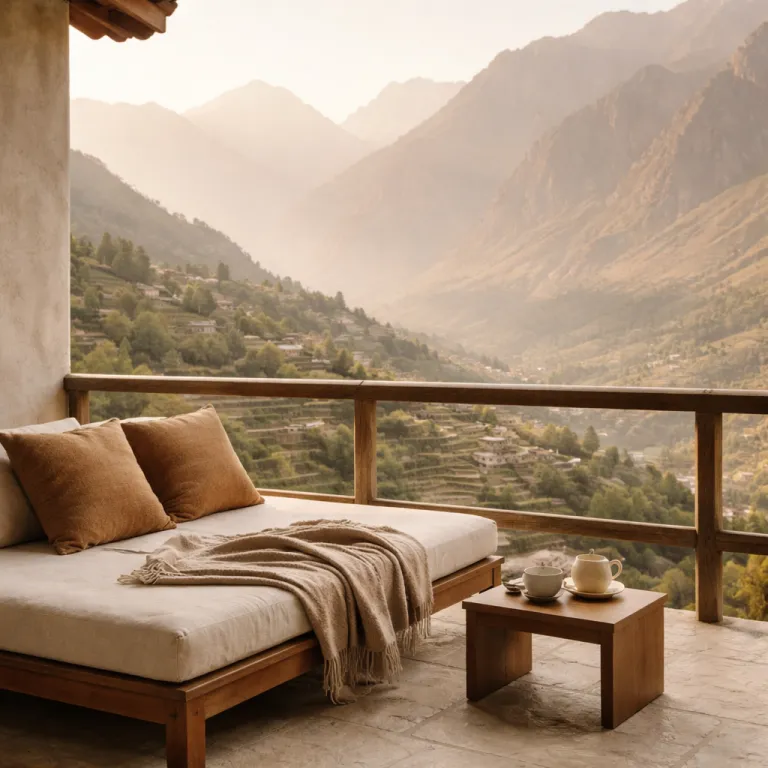
The most persuasive argument for pakistan luxury travel 2026 lies in northern Pakistan, where the arc from Islamabad to Hunza Valley now offers a coherent chain of premium stays. Islamabad itself, once treated as a mere staging post, is being reimagined with the arrival of branded properties like Holiday Inn Express Islamabad and the upcoming Signature Rotana Islamabad, both announced in IHG and Rotana development pipelines for the mid-2020s. For travelers who will visit on tight schedules, that means you can land, reset and then head north along the Karakoram Highway without compromising on comfort.
As you leave the capital, the Karakoram Highway becomes more than a road; it is the spine of modern Pakistan tours, linking valleys that used to feel logistically out of reach. The drive through the Indus Valley, with its stark cliffs and glimpses of Pakistan land shaped by ancient glaciers, now pairs with stays that understand what high-end travelers need after a long day of traveling. You can arrange a Pakistan expedition that stops in multiple valleys, yet still expect hot water, strong coffee and staff who know how to handle delayed flights and shifting mountain weather.
Hunza is where the thesis of pakistan luxury travel 2026 becomes impossible to ignore. When Hunza Serena was highlighted by Time in its 2022 World’s Greatest Places list, it was not just a win for one property; it validated the broader idea that Hunza Valley can host travelers who usually book Aman or Six Senses. Public coverage of this recognition shows how a single hotel can reframe an entire valley for global travelers and encourage them to see northern Pakistan as a serious alternative to more established mountain destinations.
Hunza Serena’s success has already influenced how local investors think about the best time to open new lodges and how to design Pakistan tours that balance cultural immersion with privacy. Guests who once came only for adventure now stay longer, read about the region’s history, and engage with local artisans in Karimabad rather than rushing straight to the next valley. That slower rhythm is exactly what sophisticated travelers seek when they travel Pakistan for meaning, not just mileage.
Further along the Karakoram Highway, the opening of PC Legacy Hunza in the early 2020s marks the first northern luxury concept from a major Pakistani chain. This property, frequently cited in domestic hospitality briefings and investor presentations, signals that local brands now see northern Pakistan as a long-term luxury play, not a seasonal experiment. For travelers, it means you can structure a Pakistan tour that strings together multiple premium stays without dropping down to basic guesthouses between highlights.
Fairy Meadows, long mythologised among adventure travelers, is also feeling the ripple effects of pakistan luxury travel 2026. While the meadows themselves remain a place where you hike in and sleep simply near the Nanga Parbat base camp, the approach routes now offer better lodges, safer transport and more curated tours travel options. You can spend a night under the stars at Fairy Meadows, then return to a polished hotel in the valley below, where staff understand both altitude sickness and the art of a perfect post-trek breakfast.
For people who have already traveled October trekking seasons in Nepal or Ladakh, the combination of Hunza Valley, Fairy Meadows and the Indus Valley now feels like the natural next chapter. The key difference is that Pakistan traveling still offers a sense of first-wave discovery, even as the infrastructure catches up to global expectations. That balance between raw landscape and refined stay is what makes northern Pakistan the most compelling argument for visiting the country now, not later.
3. Urban confidence and new openings: lahore, karachi and islamabad step onto the luxury stage
While the mountains carry the romance, the cities carry the proof that pakistan luxury travel 2026 is not a one-dimensional story. Lahore, Karachi and Islamabad are finally assembling the kind of hotel line-up that convinces cautious travelers to book a Pakistan tour without caveats. For many people, these cities will be the first and last impression of the country, so the stakes are high.
Islamabad’s new generation of hotels, including the forthcoming Holiday Inn Express Islamabad and Signature Rotana Islamabad, shows how international brands now read the market. These openings, part of a broader wave of Pakistani properties welcoming first guests over the coming seasons and regularly flagged in regional development reports, are often mapped in industry summer openings briefings. For travelers, this means you can plan to visit Pakistan with the reassurance that your arrival and departure nights will meet familiar global standards.
Lahore, the cultural capital of Pakistan, is where urban pakistan luxury travel 2026 becomes emotionally persuasive. Here, a Pakistan tour might pair a stay in a restored heritage property with evenings in contemporary restaurants that reinterpret Mughal flavours for a new generation. Travelers who care about cultural depth will read about the city’s Mughal monuments, then spend their days moving between the Badshahi Mosque, the Lahore Fort and galleries that showcase local artists who are reshaping how the country sees itself.
Karachi, anchored by the Karachi Expo Centre where Pakistan Travel Mart was hosted, is the commercial engine that underwrites much of this hotel expansion. When a city can host a three-day tourism fair with international partners and the Pakistan Tourism Development Corporation, it signals that the travel industry is being treated as a serious business. For guests, that translates into better airport facilities, more reliable ground handling and a growing ecosystem of tours travel companies that understand the expectations of high-end travelers.
Urban stays are also where the new eco certification frameworks, such as the KPETD audit system in Khyber Pakhtunkhwa, begin to matter for pakistan luxury travel 2026. Hotels that submit to independent sustainability audits send a clear message to travelers who care about their footprint when they travel Pakistan for both pleasure and principle. You can now ask pointed questions about water use, energy sourcing and community employment, and expect more than vague marketing in response.
These cities are also where practicalities like travel insurance, visa support and logistics for a wider Pakistan expedition are handled. Many premium hotels now maintain relationships with vetted tour operators who can extend your stay into northern Pakistan, the Indus Valley or coastal regions without compromising safety or comfort. That integration between city base and remote valley is what transforms a simple city break into a layered Pakistan travel experience.
For solo travelers and couples, the cities offer a soft landing before heading into more remote Pakistan land. You can spend a few days adjusting, meeting local guides, and calibrating your appetite for adventure before committing to a trek towards a base camp or a long drive along the Karakoram Highway. In that sense, Lahore, Karachi and Islamabad are not just gateways; they are essential chapters in the story of why this country now belongs on every serious traveler’s map.
4. The honest hesitations, and the single trip that will change your mind
Any serious assessment of pakistan luxury travel 2026 must acknowledge the gaps that still give travelers pause. Infrastructure can be inconsistent once you leave the main corridors, and service training outside flagship properties sometimes lags behind the ambition of the buildings themselves. People who are used to seamless city-to-valley transfers in more mature destinations will need to adjust expectations when traveling Pakistan, especially in shoulder seasons.
Connectivity remains patchy in some valleys, which can unsettle travelers who work remotely or rely on constant digital access. Weather can also disrupt even the best planned Pakistan tours, with landslides occasionally closing sections of the Karakoram Highway or delaying flights to northern Pakistan. This is where robust travel insurance and flexible itineraries become non-negotiable for anyone planning a Pakistan expedition that includes multiple valleys and a possible detour to Fairy Meadows or a high-altitude base camp.
There is also the question of narrative, and how friends and family react when you say you will visit Pakistan for a luxury-focused trip. Many people still hold outdated images of the country, shaped by headlines rather than by the reality of modern Pakistan land and its evolving tourism infrastructure. That is why it matters that official advice from bodies such as the Pakistan Tourism Development Corporation now highlights three simple pillars for visitors: “Check visa requirements before traveling. Explore northern valleys for scenic beauty. Visit cultural cities for historical experiences.”
So what does a single, sceptic-testing trip for pakistan luxury travel 2026 actually look like in practice? Start in Islamabad for two nights, using a premium hotel as your base to adjust, meet a local guide and finalise permits or visa checks if needed. Then drive the Karakoram Highway into the Indus Valley, stopping in smaller towns where you can feel how Pakistan traveling is changing daily life for shopkeepers, drivers and young guides who now speak the language of global travelers.
From there, continue to Hunza Valley for four or five nights, splitting your stay between Hunza Serena and PC Legacy Hunza to experience both international and domestic interpretations of luxury. Spend your days hiking to viewpoints, visiting local farms and reading in sunlit courtyards while the mountains shift colour around you. If conditions allow, add a side trip towards Fairy Meadows, accepting that the accommodation there will be simple but the sense of adventure will be unmatched.
On the return, build in one night in a cultural city such as Lahore, where you can close your Pakistan tour with a deep dive into Mughal architecture and contemporary food culture. This final stop reframes the country not just as a place of valleys and peaks, but as a living cultural powerhouse that rewards slow travel and repeat visits. By the time you fly out, the idea of Pakistan travel as a fringe choice will feel outdated, replaced by a quieter conviction that you have only scratched the surface.
For those who have already traveled October seasons in other mountain regions, this itinerary offers a direct comparison point. You will see where Pakistan tours still need refinement, but you will also feel the energy of a destination that is just beginning to understand its own potential. That combination of imperfection and promise is exactly why, for serious travelers, leaving Pakistan off the map in the coming seasons will be harder and harder to justify.
Key figures reshaping pakistan luxury travel
- Pakistan has recorded strong growth in international arrivals over the past decade, with some local operators reporting recent peaks approaching one million visitors and percentage increases of more than eight hundred percent compared with earlier baselines. Exact figures differ by source, but all point to a dramatic shift in global interest in the country as a travel destination (trend discussed by GoTravel Pakistan and other industry commentators).
- The Pakistan Travel Mart in Karachi brought together government, private sector and international partners over three days, illustrating how coordinated promotion and events can accelerate Pakistan tours and raise the profile of northern Pakistan and cultural cities simultaneously. Coverage of the fair in domestic business media has repeatedly highlighted its role in positioning tourism as a serious export industry.
- Time’s inclusion of Hunza Serena in its 2022 World’s Greatest Places list placed Hunza Valley alongside established global icons, reinforcing investor confidence in pakistan luxury travel 2026 and encouraging further high-end development along the Karakoram Highway.
Trustful expert sources to read next : Pakistan Tourism Development Corporation, Government of Pakistan official tourism portal, and Time magazine’s World’s Greatest Places list. For practical next steps, start by checking current visa guidance on the official portal, then compare sample itineraries from two or three Pakistan-based tour operators before locking in dates for your own northern valleys journey.