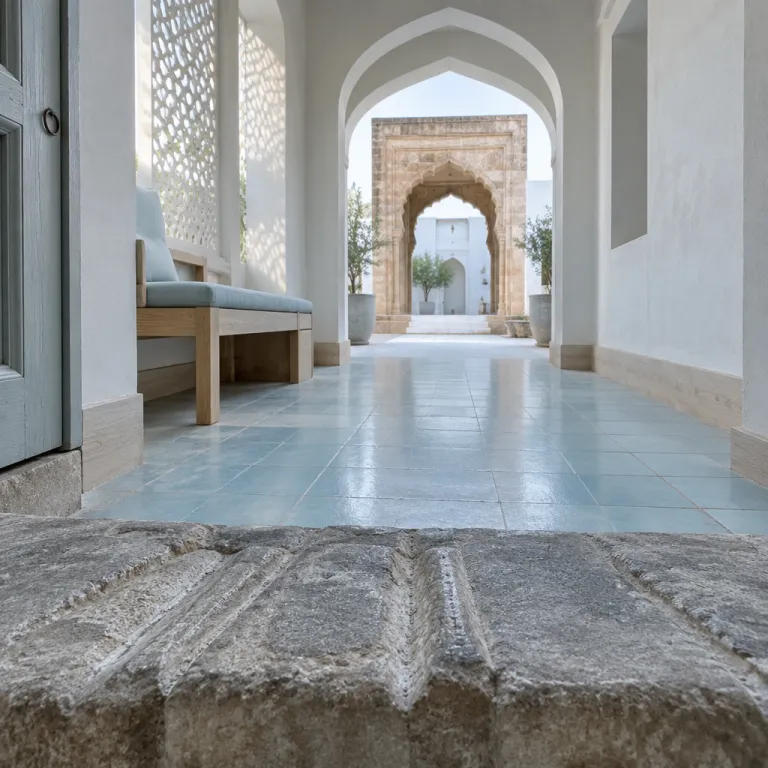
World tourism day Pakistan heritage hotels and the missed map of culture
World tourism day Pakistan heritage hotels conversations usually orbit Hunza and Islamabad. Yet the most layered stories in Pakistan tourism sit quietly around Mohenjo Daro, Taxila, Rohtas Fort and Makli, where few international guests ever check in. For a traveller who likes to read a city through its lobby, this is where the narrative gets interesting.
Pakistan is a country in Asia where tourism development is finally matching its cultural depth. The sector’s value is projected to rise sharply, but the real question is which area will benefit and which destination will remain a footnote. National tourism planners talk about growth, while many local people near heritage sites still wait for a first credible five star property.
On world tourism day Pakistan heritage hotels should be part of a wider cultural programme, not just a marketing slogan. Pakistan tourism authorities, including the Pakistan Tourism Development Corporation, speak about how to promote tourism, yet the hotel pipeline around key ruins remains thin. For luxury travellers, that gap means both challenges and rare chances to engage with culture before the companies arrive in force.
When you look closely at tourism Pakistan strategies, you see a pattern. The mountains of Gilgit Baltistan and the capital’s polished addresses absorb most tourist nights, while plains heritage is treated as a stopover. A more balanced tourism development approach would pair each major site with at least one serious property that understands both service and story.
From Islamabad to Taxila and Rohtas: where heritage waits for hospitality
Islamabad is where many business travellers first meet Pakistan, and its hotels already understand global expectations. Yet drive less than 35 kilometres to Taxila and you move from polished marble to patchy options, even though this area holds some of South Asia’s most important Buddhist remains. On world tourism day Pakistan heritage hotels near Taxila should be headline examples of how a country treats its past.
Current properties around Taxila and Rohtas Fort tend to serve domestic tourism rather than the executive extending a trip. Rooms are often clean but basic, with limited training in international service standards and almost no curated cultural programming. For a tourist used to seamless stays, this gap in Pakistan tourism infrastructure can feel jarring after a night in Islamabad’s top addresses.
Yet there are bright spots where companies and local partners are quietly raising the bar. A few guest focused lodges now work with guides trained through regional tourism development programmes, offering structured visits that respect both archaeology and community. These early movers show how national tourism ambitions can translate into real experiences rather than policy documents.
For travellers who care about culture, the strategy is simple. Use Islamabad as a base, then plan day trips or one night stays to Taxila and Rohtas with vetted drivers and guides arranged through your hotel concierge. When you return to the capital, schedule an afternoon in one of the high tea in high places hotel tea lounges worth the altitude, and let the day’s ruins settle over Darjeeling and pastries.
Southern stories: Mohenjo Daro, Multan and the Sufi south
Fly south and the narrative of tourism Pakistan becomes even more complex. Mohenjo Daro, one of the world’s oldest urban settlements, sits in an area where hotel choice remains thin for luxury guests, despite its global significance. On world tourism day Pakistan heritage hotels here should be case studies in how to align archaeology, comfort and cultural respect.
Most visitors currently overnight in Larkana or Sukkur, where mid range properties serve domestic business traffic more than heritage focused tourism. Service can be warm and genuinely local, yet structured training in international hospitality is often missing, which affects everything from check in efficiency to food safety. For an executive traveller, this is where reading recent guest feedback becomes essential before booking.
Multan tells a slightly different story, with a stronger hotel base shaped by trade and religious tourism. Here, properties near the shrines tap into a steady flow of people who come for qawwali and Sufi rituals, and some hotels are beginning to frame this culture with thoughtful concierge services. If you are planning a stay, look at guides to Multan’s Sufi soul and sleeping near the shrines that pulse with qawwali, then cross check how each hotel supports respectful access.
Across these southern destinations, the role of the Pakistan Tourism Development Corporation and other development corporation actors should be sharper. Coordinated investment could help promote tourism that benefits local communities while protecting fragile sites from overuse. For now, the discerning tourist needs to balance comfort with curiosity, accepting that the most powerful cultural moments may come with imperfect thread counts.
Mountains, Gilgit glamour and the coastal frontier
Ask most international travellers about tourism Pakistan and they will mention the mountains before anything else. Gilgit, Hunza and Skardu have become shorthand for dramatic landscapes, and hotel development has followed the tourist demand curve. On world tourism day Pakistan heritage hotels in these regions are often framed by forts, orchards and stone villages rather than ancient ruins.
In Gilgit Baltistan, several properties now blend contemporary comfort with local culture, using stone, wood and regional textiles to ground the design. Many of these hotels work with guides from nearby communities, turning each trek or village walk into a cultural exchange rather than a checklist activity. This is where tourism development can feel genuinely sustainable, with people in the area seeing direct benefits from each occupied room.
The national tourism conversation, however, still underplays Pakistan’s Arabian Sea coastline. Heritage here is maritime and mercantile, from old ports to Sufi shrines that once guided sailors, yet hotel infrastructure remains uneven outside Karachi. If you are curious about this frontier, start with a guide to Pakistan’s Arabian Sea hotels where the coastline finds its voice beyond Karachi, then layer in your own research on emerging properties.
For policy makers and companies, the challenge is to promote tourism without repeating the mistakes of overcrowded beach destinations elsewhere in Asia. Thoughtful planning by the Pakistan Tourism Development Corporation and private development corporation partners could protect fragile coastal ecosystems while creating new revenue streams. For the traveller, this is the moment to read widely, ask hard questions about impact and choose hotels that treat both culture and coastline as non negotiable assets.
What world tourism day means for your next booking
World tourism day Pakistan heritage hotels debates often stay abstract, but your booking choices are part of the story. Every time you choose a property near a lesser visited site, you send a signal to both national tourism planners and private investors. The pattern of where executives sleep and where they skip quietly shapes the next decade of Pakistan tourism.
When you plan a trip, start by mapping the cultural destinations that matter most to you. Then look at how tourism Pakistan infrastructure actually supports those choices, from airport access to reliable drivers and guides. In areas where options are limited, consider working with companies that specialise in tailored itineraries and have on the ground relationships with local people.
Ask hotels direct questions about how they engage with culture and community. Do they employ staff from the immediate area, support training programmes or collaborate with the Pakistan Tourism Development Corporation or regional tourism development bodies to promote tourism responsibly ? Their answers will tell you as much about the property as any photograph of a lobby.
Finally, remember that this country’s hospitality runs deeper than any development corporation plan or ptdc brochure. Whether you are in the mountains near Gilgit, walking the streets around Multan’s shrines or standing in the heat of Mohenjo Daro, the most lasting memories often come from unplanned conversations. On this world tourism day Pakistan heritage hotels are not just places to sleep, but quiet stages where a country, its culture and its people decide how they wish to be seen.
FAQ
Is it realistic to combine business meetings in Islamabad with heritage visits nearby ?
Yes, it is very realistic to combine business in Islamabad with heritage excursions. Taxila is around an hour’s drive from most central hotels, and Rohtas Fort can be reached in a long half day with a car and driver. Many upscale properties can arrange licensed guides and structured itineraries that fit between meetings.
Are luxury standard hotels available near Mohenjo Daro and other southern archaeological sites ?
Near Mohenjo Daro itself, luxury standard hotels are limited and most travellers base themselves in Larkana or Sukkur. Properties tend to be mid range, serving domestic business and government guests rather than international leisure travellers. If high service standards are essential, consider a shorter heritage visit with flights routed through Karachi.
Which regions of Pakistan currently offer the strongest mix of heritage and high end hotels ?
Lahore, Islamabad and parts of Gilgit Baltistan offer the most consistent combination of cultural depth and polished accommodation. In these regions, you can pair Mughal architecture or mountain forts with properties that understand international expectations. Southern heritage sites are catching up, but still lag behind in terms of luxury inventory.
How has the online visa system changed the profile of tourists visiting Pakistan ?
The reintroduction of an online visa system has made entry easier for visitors from many countries, which has encouraged more independent travellers and small groups. This shift has diversified the tourism base beyond traditional diaspora and organised pilgrimage traffic. Hotels now report a gradual increase in business leisure guests who extend work trips into cultural stays.
What should I look for when choosing a hotel near a heritage site in Pakistan ?
Focus on safety, proximity to the site, and evidence of consistent maintenance. Read recent guest reviews carefully, paying attention to cleanliness, staff responsiveness and the reliability of transport arrangements. It is also wise to choose properties that show respect for local culture, for example by working with community guides or supporting conservation initiatives.