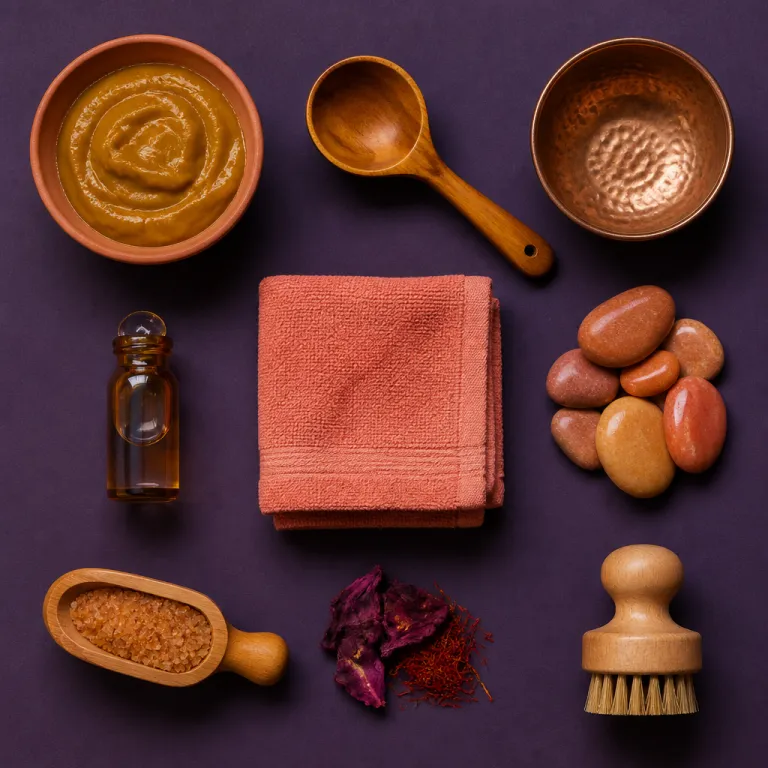
Pakistan wellness traditions hotel spa: where heritage shapes the stay
Pakistan’s wellness traditions in hotel spa culture begin long before any therapist offers a menu of treatments. In Lahore’s Walled City, the restored Wazir Khan Hammam shows how Mughal architects once treated steam, stone, and light as a single healing instrument for body and mind. Originally built in the 17th century and carefully conserved in recent years by heritage organisations such as the Aga Khan Trust for Culture in partnership with the Walled City of Lahore Authority, this bathhouse helps visitors imagine how a hammam — a traditional steam bath common in Muslim societies — once anchored daily life.
Unani physicians historically prescribed hammam therapy for circulation, detoxification, and emotional balance, and many luxury hotel spa teams now consult similar principles when designing heat and water journeys. At the Pearl-Continental Hotel Lahore, for example, spa consultants reference Unani concepts when sequencing warm rooms, steam, and cool plunge showers, according to the property’s wellness brochure updated in 2023. When you browse a heritage-inspired wellness hotel on a premium booking platform, look for references to hammam-style facilities or Mughal bath rituals rather than only generic saunas or imported treatments. This is where a Pakistan wellness traditions hotel spa experience feels rooted in place, not copied from a resort in the United States or any other country.
In Lahore, some high-end hotel spa facilities offer private steam rooms that echo the sequence of warm, hot, and cool chambers once used in the Wazir Khan complex. A guest at the Avari Lahore described the spa’s dimly lit steam suite in a 2022 online review as “a modern version of an old city hammam, quiet enough that you can hear your own breathing.” These properties may not label themselves as part of an international collection hotel or an Ascend Collection style brand, yet their guest reviews often highlight how the design channels local traditions. When you check room descriptions, prioritise suites with direct access to spa facilities and quiet zones, especially if you are planning a romantic stay and value privacy as much as treatment choice.
From Tattapani hot springs to forest bathing in the hills
North from Islamabad, the road bends towards Muzaffarabad and the Tattapani hot springs, where mineral-rich water rises from the earth beside the river. Located along the Neelum River in Azad Jammu and Kashmir, roughly a two-hour drive from Muzaffarabad in normal traffic, these pools predate any Pakistan wellness traditions hotel spa marketing, yet several lodges now coordinate transfers and timed access so guests can soak without crowds. For couples, arranging a private slot at sunrise or after dusk turns a simple bath into a quietly theatrical moment, with mist lifting off the surface and the sound of water folding into the valley’s echo.
Luxury properties in this corridor increasingly frame Tattapani as part of a wider wellness circuit that includes forest bathing in the Galiyat and Margalla Hills. Forest bathing means immersing yourself in a forest environment for relaxation and health benefits, and in Pakistan that often translates to slow walks through pine and deodar stands rather than structured classes. At Pearl-Continental Hotel Bhurban, for instance, staff can arrange guided strolls through nearby woods where guests are encouraged to walk in silence, notice the resin scent of the trees, and pause at viewpoints. When you select a hotel, ask whether the fitness center programming extends outdoors with guided walks, breathing sessions, or riverside stretching instead of only treadmills and weights, and confirm whether these activities run year-round or pause during heavy monsoon rains.
Some premium lodges near Nathia Gali now promote wellness beyond the hotel spa, positioning mountain air and silence as the primary treatment rather than an add-on, and you can read more about this approach in this guide to wellness beyond the hotel spa where mountain air becomes the treatment. These properties usually provide free private access to short forest trails, along with simple facilities for tea, blankets, and unhurried sitting. One manager described their hilltop deck in a 2021 interview as “a waiting room for the sunset,” and when you check time slots for guided walks, choose late afternoon for softer light and fewer day visitors, especially on weekends when city crowds rise.
How hotels integrate hammam, herbs, and modern spa science
Across Pakistan, the most interesting wellness properties treat the spa as a bridge between ancestral knowledge and contemporary science. In Lahore and Islamabad, several luxury hotel spa teams now collaborate with Unani physicians to reinterpret hammam sequences with modern safety standards and precise temperature control. At a five-star spa in Islamabad, one Unani practitioner explained in 2022 that “the goal is the same as in the old hammams — gentle heat, gradual cooling, and time to breathe — but we now monitor every degree and every minute.” These collaborations respect the original goals of physical cleansing, relaxation, and social interaction while adapting them for couples seeking privacy and quiet.
When you evaluate a Pakistan wellness traditions hotel spa on a booking website, read beyond the headline and study how the property sources its oils, herbs, and scrubs. Hotels that integrate local ingredients such as Himalayan salt, apricot kernel oil, and regional clay usually explain this clearly in treatment descriptions, and they often pair these with hydrotherapy circuits or sound-based relaxation rooms. At Serena Hotel Islamabad, for example, spa therapists may combine warm salt compresses with locally blended herbal oils, while soft flute music and low lighting encourage guests to slow their breathing. This is where you see the difference between a generic hotel spa and a traditions-focused hotel that has invested in narrative, training, and thoughtful design.
On mypakistanstay.net, the most praised properties tend to combine strong guest reviews for service with detailed information about wellness facilities, from wheelchair-accessible wet areas to couples’ suites with in-room soaking tubs. You can explore how these elements come together in our dedicated feature on elevating your stay with spa and wellness experiences, which highlights specific hotels that align treatment menus with regional culture. For romantic travellers, this level of transparency makes it easier to match expectations with reality before you confirm any booking.
Reading between the lines of wellness focused hotel listings
Luxury booking platforms can feel overwhelming, yet a careful reading of each hotel listing reveals how seriously a property treats wellness. Start with the basics such as whether the spa facilities are integrated with the fitness center or operate as a separate, quiet zone with its own check time and reception. A Pakistan wellness traditions hotel spa that values tranquillity usually separates treatment corridors from family pools and high-traffic restaurants, sometimes even using different elevators or access cards to keep the flow of guests calm.
Next, examine the room descriptions to see how wellness extends into private space rather than stopping at the spa door. Suites that mention deep soaking tubs, sound insulation, blackout curtains, and in-room aromatherapy often support better sleep, which is the foundation of any restorative stay. One couple reviewing a Karachi business hotel in 2020 noted that “the blackout curtains and herbal tea tray did more for our jet lag than any gadget.” For couples, the availability of room service from a healthy menu, including herbal teas and light post-treatment dishes, can transform a simple night in into a curated ritual.
Guest reviews provide another layer of insight, especially when travellers mention staff sensitivity to noise, scent preferences, and cultural expectations around modesty in wet areas. Look for comments about how the hotel handled requests for non-smoking rooms, late check time after evening treatments, or flexible use of private parking when returning from off-site hot springs. These details signal whether the property’s wellness philosophy is truly guest-centred or merely a marketing phrase, and they help you distinguish between a spa that understands local customs and one that simply follows global trends.
Global wellness trends meeting Pakistan’s landscapes and kitchens
International wellness tourism is shifting towards digital detox, nervous system regulation, and sensory immersion, and Pakistan’s geography gives it a quiet advantage. Mountain lodges in Hunza and Skardu now design Pakistan wellness traditions hotel spa programs that combine limited internet access with guided stargazing, slow trekking, and long meals built around local produce. At one Hunza resort, phones are gently discouraged at dinner, and couples are invited to step outside between courses to watch the sky darken over snow-lined peaks. For couples, this creates a rhythm where the day’s highlight might be a shared silence on a terrace rather than a packed schedule of treatments.
Food plays a central role in this new wave of wellness-focused hospitality, and the best hotels treat their kitchens as carefully as their treatment rooms. In the north, several properties now weave apricot, walnut, and yak dairy into refined menus that support both indulgence and balance, a trend explored in depth in this feature on Hunza cuisine on the hotel menu. A chef in Gilgit described his approach as “cooking like our grandparents, but plating like a city restaurant,” serving slow-cooked lentils alongside grilled river fish and herb salads. When you assess a property, read how the restaurant describes its sourcing and whether it can adapt dishes for lighter, post-spa dining without losing regional character.
Looking ahead, expect more Pakistani hotels to integrate sound healing, breathwork, and forest immersion into multi-day packages rather than offering only single-session massages. The most compelling Pakistan wellness traditions hotel spa experiences will likely come from properties that treat hammams, hot springs, and forest bathing as equal partners in a wider narrative of rest. For discerning travellers, this means choosing hotels not just for their facilities but for how convincingly they choreograph time, space, and landscape into a coherent stay, from the first cup of herbal tea to the last view of the mountains at dawn.
FAQ
What is a hammam and how does it fit into Pakistani hotel wellness ?
A hammam is a traditional steam bath common in Muslim societies, and in Pakistan it dates back to the Mughal era when architects built elaborate bathhouses in cities such as Lahore. Today, some luxury hotels reinterpret hammam rituals through modern steam rooms and heat circuits that echo the warm, hot, and cool chamber sequence. When booking, look for properties that reference hammam-inspired journeys, Mughal-style bath rituals, or heritage spa experiences rather than only generic saunas if you want a culturally grounded stay.
Are there hot springs in Pakistan that hotels can arrange access to ?
Pakistan has several natural hot springs, especially in northern regions such as the Tattapani area near Muzaffarabad. Many lodges and hotels in this corridor now coordinate transfers, timed entry, and sometimes private slots for guests who want to soak without crowds. If hot springs are a priority, ask the hotel directly about travel time, seasonal conditions, and whether the experience is included in wellness packages or charged separately, as access can vary with river levels and local regulations.
What does forest bathing mean in the Pakistani context ?
Forest bathing refers to immersing yourself in a forest environment for relaxation and health benefits, and in Pakistan this often takes place in the pine and deodar forests of the Galiyat, Margalla Hills, and northern valleys. Rather than structured classes, hotels usually offer guided walks, quiet sitting spots, and simple breathing exercises among the trees, sometimes with pauses to notice birdsong or the feel of bark under your hands. When choosing a property, check whether it has direct access to forest trails and whether staff can lead or suggest routes suited to your fitness level.
How can I tell if a hotel spa in Pakistan respects local wellness traditions ?
Hotels that respect local traditions usually highlight regional ingredients, hammam-inspired heat journeys, and connections to practices such as hot spring bathing or forest immersion. Their descriptions often mention collaboration with traditional healers, Unani practitioners, or reference to historical bathhouses, and guest reviews tend to praise both authenticity and comfort. When reading listings, pay attention to how clearly the property explains its wellness philosophy and cultural roots rather than relying on generic spa language or vague promises of relaxation.
Is wellness travel in Pakistan suitable for couples seeking privacy and comfort ?
Many of Pakistan’s leading wellness-focused hotels cater specifically to couples with private treatment rooms, suites with soaking tubs, and quiet zones separated from family areas. Mountain lodges and urban properties alike now design packages that combine spa rituals, slow meals, and unhurried time in nature, sometimes including late check-out or breakfast served in-room after morning treatments. To ensure privacy, confirm details such as room location, access to adults-only pools or relaxation lounges, and the possibility of scheduling treatments during off-peak hours.