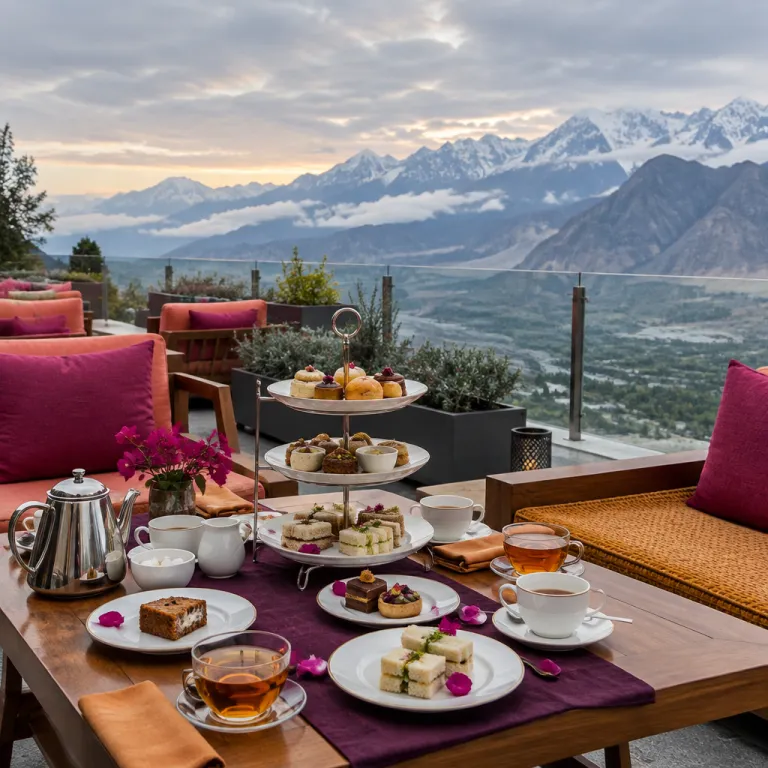
From doodh patti to Darjeeling: defining the Pakistan hotel tea lounge experience
Pakistan is a tea drinking nation, and the most memorable Pakistan hotel tea lounge experience respects that heritage before it nods to imported leaves. In the best hotel lounges, a pot of strong doodh patti tea is served alongside a lighter Darjeeling or Earl Grey, so guests can move from comfort to curiosity in a single sitting. This balance between traditional chai and refined afternoon tea sets the tone for how luxury properties now think about tea time.
At city hotels in Islamabad, Karachi and Lahore, tea service has become a quiet rival to the lobby bar, especially for couples who prefer conversation over cocktails and wine lists. You will see one guest lingering over a full tea tray with sweet and savory bites, while another person orders a single cup of Kashmiri chai and a plate of scones to share with children returning from the pool. The rhythm is unhurried, and tea served in porcelain or hammered copper feels like a small ceremony rather than a quick caffeine stop.
For travelers using a premium booking website, the key is to read how each property describes its tea lounge service and whether it highlights local leaves, regional snacks or only imported brands. A thoughtful Pakistan hotel tea lounge experience usually offers both traditional snacks and lighter sandwiches-and-scones combinations, so couples can graze through the afternoon without needing formal restaurants. When tea sets are designed with sharing in mind, and when tea cozy covered pots stay warm long past the first pour, you know the hotel understands that tea time in Pakistan is a social institution, not a side note.
Lahore’s heritage lounges: colonial rituals with a Pakistani heart
Lahore is where the formal idea of afternoon tea first met the subcontinent’s own tea culture, and some of the city’s grand hotels still stage that encounter beautifully. In restored heritage properties, you might sit beneath high ceilings while a server wheels over a trolley of tea sets, each one pairing Darjeeling or Assam with cardamom scented doodh patti for a layered Pakistan hotel tea lounge experience. The effect is less about nostalgia and more about showing how a traditional British ritual can be reimagined through Lahori generosity.
Couples booking a romantic stay near the old city should look for hotels that frame tea service as a daily event rather than a token add on. Many of the most atmospheric addresses highlighted in guides to Lahore’s Mughal era heritage hotels now offer structured afternoon tea on fine china, with tiered stands of sandwiches, kebab sliders and tiny pastries. Here, sandwiches, scones and petite mithai are served alongside rose flavored éclairs, so guests can move between sweet and savory notes while the call to prayer drifts in from nearby mosques.
On Saturdays and Sundays, when families and couples share the same lounges, reservations help secure a window table where tea served in silver pots arrives with a dedicated tea cozy and a separate pot of hot water. Expect attentive service that quietly refills cups, checks whether children need extra sandwiches, and offers a second round of scones without rushing anyone for time. This is Lahore at its most gracious, where every guest is treated as if they are hosting a private salon in the middle of a busy city.
Islamabad to Hunza: high altitude lounges and valley view tea time
Once you leave the plains and climb toward the north, the Pakistan hotel tea lounge experience changes with the altitude and the light. In Islamabad, Nazara Lounge at Serena Hotel sits around 540 meters above sea level according to Serena Hotels information, offering panoramic views of the Margalla Hills that turn golden at afternoon tea. Here, tea served in glass cups lets you admire the amber color while you share sweet and savory snacks that feel lighter than a full meal yet more considered than bar food.
Far higher up, Chaikash at The Khyber Himalayan Resort & Spa in the mountains is described by the resort as operating at roughly 2,740 meters, where the air is crisp and the tea cozy is not just decorative but essential. Couples often time their visit for late afternoon, when the sun drops behind the ridges and tea sets arrive with sandwiches, scones and local walnut cakes, all served alongside honey from nearby valleys. Karighar Lounge at Hunza Serena Hotel, noted in Serena Hotels material as being around 2,500 meters, offers a similar sense of altitude drama, with tea time becoming the natural pause between morning hikes and slow evenings by the fire.
These high altitude lounges are part of a broader rise in tea tourism, where guests choose hotels as much for their tea service as for their rooms. When you plan an elegant stay in the wider region, resources like this guide to planning an elegant stay in historic cities can help you think about how tea rituals fit into your itinerary. In Pakistan’s mountains, the best properties offer traditional chai, herbal infusions and lighter afternoon tea options, so each person at the table can find their own pace while the landscape does the rest.
Tea as social institution: lounges instead of lobby bars
In many luxury Pakistani hotels, the tea lounge has quietly replaced the Western style lobby bar as the true social hub. Rather than centering the evening around cocktails and wine, couples and families gather for a Pakistan hotel tea lounge experience that stretches from late afternoon into early night. You will see one guest reading with a single cup, another person hosting friends over a full spread of afternoon tea, and children moving between tables as staff keep the atmosphere calm but never stiff.
For travelers, this shift matters because it changes how you plan your time and your budget. A generous tea service with sweet and savory bites, from mini sandwiches to scones and local pastries, can easily stand in for a light dinner, especially on Saturdays and Sundays when restaurants are busy and reservations scarce. Many lounges now design tea sets specifically for two, so couples can share sandwiches, scones, fruit tarts and small plates of pakoras served alongside chutneys, all for less than a formal multi course meal per person.
Hotels that understand tea as a social institution also tend to invest in better service training and more thoughtful menus. Staff know when to refresh hot water, when to offer extra snacks for children, and when to leave guests alone with their conversations and views. For couples using a curated booking platform, looking for language about tea time rituals, lounge culture and flexible afternoon tea hours is a reliable way to identify properties that value connection as much as design.
Planning your own high tea circuit across Pakistan’s cultural hotspots
Designing a trip around the Pakistan hotel tea lounge experience may sound indulgent, yet it is one of the most efficient ways to understand the country’s hospitality culture. Start in Islamabad for Nazara Lounge’s cityscape views, then move north toward Hunza and Naran, using resources on projects like Thandiani’s emerging four season tourism zone to map new high altitude stays. Along the way, you will notice how traditional chai, more formal afternoon tea and lighter tea time snacks shift with each valley and hotel.
When choosing properties, read beyond room categories and look closely at how tea is served, what is offered with it, and whether the lounge feels like an afterthought or a destination. A strong Pakistan hotel tea lounge experience usually mentions specific tea sets, clear afternoon tea hours, and menus where sandwiches, scones, local breads and regional sweets are served alongside seasonal fruit. On Saturdays and Sundays, some lounges even offer extended tea time with live music, giving guests a reason to linger rather than rushing out to restaurants.
Practicalities matter at altitude, so check operating hours, reserve in advance and dress for cooler evenings even in warmer months. Guidance from the Pakistan Tourism Development Corporation notes that “Spring and autumn offer pleasant weather and clear views.” and advises that “Guests should acclimate and stay hydrated to prevent altitude sickness.”, which is especially relevant when you are sipping multiple pots of tea at 2,500 meters. With a bit of planning, each person in your party, from the most tea obsessed guest to the child who only wants a biscuit, can find their own rhythm in Pakistan’s evolving high tea landscape.
FAQ
What is the best time of year to visit Pakistan’s high altitude tea lounges ?
For most travelers, the most comfortable seasons for a Pakistan hotel tea lounge experience in the mountains are spring and autumn. Information from the Pakistan Tourism Development Corporation notes that “Spring and autumn offer pleasant weather and clear views.”, which aligns with when Nazara Lounge, Chaikash and Karighar Lounge feel at their most inviting. In winter, some properties reduce outdoor seating, while in peak summer the focus shifts to cooler indoor spaces with strong ventilation.
Do high altitude hotel tea lounges require reservations ?
Popular lounges such as Chaikash at The Khyber Himalayan Resort & Spa and Karighar Lounge at Hunza Serena Hotel often recommend advance bookings. Public guidance from these properties states that “Reservations are recommended, especially during peak seasons.”, particularly for Saturday and Sunday afternoon tea. Couples seeking window seats or specific tea sets should request them at the time of reservation to avoid disappointment.
Are there health considerations when enjoying tea at higher elevations ?
Yes, altitude can affect how your body responds to both caffeine and temperature changes. Hospitality experts advise that “Guests should acclimate and stay hydrated to prevent altitude sickness.”, which means pacing your tea time and alternating tea with water. If a person feels light headed or unusually tired, it is wise to rest, avoid heavy meals and let staff know so they can assist.
Can children enjoy the hotel tea lounge experience in Pakistan ?
Most luxury and premium hotels in Pakistan welcome children in their tea lounges, especially during afternoon hours. Many properties design lighter tea sets with sandwiches, fruit and mild sweet and savory snacks that are easy for younger guests to enjoy. Families should check whether Sunday or holiday sessions are busier, and request seating slightly away from the busiest areas for a calmer experience.
How does Pakistan’s hotel tea culture differ from Western afternoon tea traditions ?
While you will find familiar elements such as tiered stands, scones and fine china, the heart of the Pakistan hotel tea lounge experience is still rooted in local chai culture. Hotels often serve strong doodh patti or Kashmiri chai alongside lighter black teas, and snacks might include samosas, pakoras or regional sweets next to sandwiches and scones. The atmosphere is less formal than in many Western hotels, with more time given to lingering conversations and a stronger emphasis on hospitality than on strict etiquette.
References
Pakistan Tourism Development Corporation (PTDC)
Serena Hotels official information
The Khyber Himalayan Resort & Spa official information