Reading the monsoon: where rain flatters the northern areas
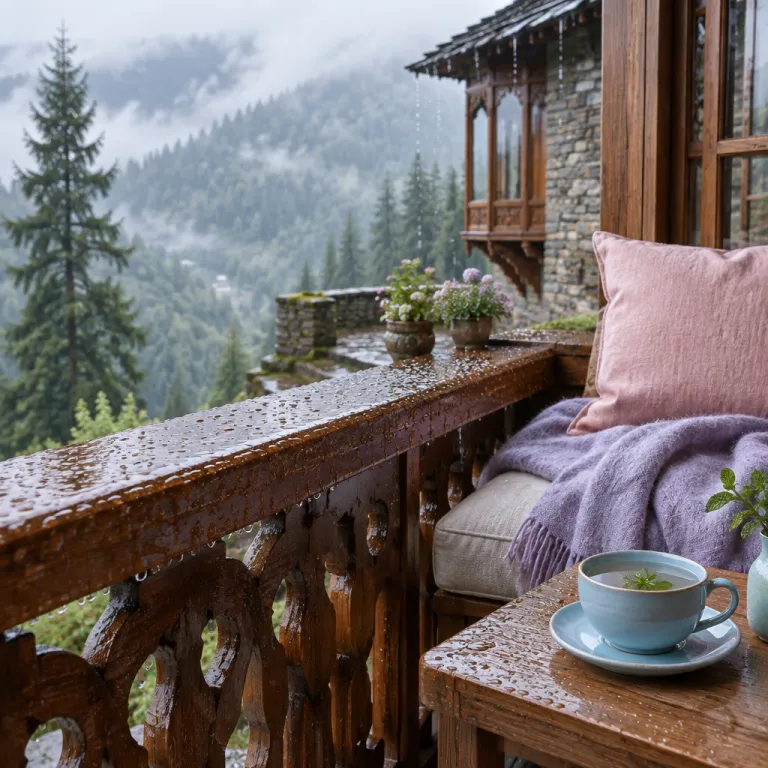
Monsoon season hotels in Pakistan’s northern areas reward couples who lean into the weather. From late June the first clouds roll over northern Pakistan and the mountains shift from dusty browns to saturated greens, while many luxury properties quietly introduce shoulder-season offers and extend minimum stays. For a romantic travel plan, this is often the best time to trade crowded summer weekends for long, slow mornings watching mist lift off a valley from your private terrace or picture window.
The monsoon window runs from late June to September across most northern areas of Pakistan, but not every valley behaves the same way. Hunza Valley, Gilgit and much of Gilgit Baltistan sit in a rain shadow, so hotels here see more dramatic skies than heavy downpours, which suits couples who want clear mountain views with softer light. By contrast, Naran Kaghan, Swat Valley and Neelum Valley in Khyber Pakhtunkhwa receive intense rainfall: Pakistan Meteorological Department climate normals for stations such as Balakot and Muzaffarabad show July and August often bring 150–250 mm of rain in these districts, so the best months for a Pakistan tour focused on rain-drenched forests and waterfalls are usually mid-July to late August when rivers are full and remote areas feel intensely alive.1
Think of monsoon-focused accommodation in Pakistan’s northern areas as two distinct experiences rather than a single season. In drier, high-altitude areas of northern Pakistan such as Hunza, Skardu and parts of Gilgit Baltistan, the best time to visit northern valleys during the monsoon is when the clouds are moving fast and the light is constantly changing, which is ideal for photography. In wetter regions like Swat Valley, Neelum Valley or the slopes above Malam Jabba, the most rewarding months for couples who love dramatic weather are those when you can move between covered terraces, fire-warmed lounges and indoor dining rooms without ever feeling that the rain has interrupted your tour; checking Pakistan Meteorological Department short-range forecasts a day or two ahead helps you time drives between showers.1
Hunza, Skardu and Fairy Meadows: rain shadow luxury for couples
Hunza and Skardu are the quiet heroes of monsoon season hotels in Pakistan’s northern areas because they sit behind the main wall of the mountains. When Lahore and the plains are heavy with humidity in June, a short flight north drops you into crisp air, apricot orchards and high-altitude light that feels almost Alpine. For couples planning Pakistan tour packages that balance romance and adventure, this is often the best time to visit northern valleys before winter closes the high passes; the Karakoram Highway and routes over Babusar Top and Deosai typically remain open from June to October, though brief weather-related closures can occur according to Gilgit Baltistan Tourism Department advisories.2
In Hunza Valley, many premium properties are built along ridgelines above the main valley, which means you watch storms slide past without being trapped in them. A well-designed hotel here will offer deep sofas facing floor-to-ceiling windows, a reading room stocked with local history and a tea lounge where the staff quietly adjust your sightseeing schedule if a shower passes through. When you visit Pakistan during the monsoon, ask specifically for rooms that face Rakaposhi or Ultar peaks, because the interplay between cloud and rock at this time of year creates an experience you simply do not get in the clear blue skies of winter; typical premium rooms in this category start around PKR 18,000–28,000 per night for couples in peak July–August, with suites and private cottages priced higher.
Fairy Meadows, reached from the Karakoram Highway north of Gilgit, is more exposed but rewards patient couples who can wait out a shower by the fireplace. For a detailed look at high-altitude stays here, our Fairy Meadows luxury stays and travel guide for northern Pakistan explains why the best months for this area of Pakistan are often on the shoulders of the monsoon, when trails are open but crowds are thinner. Skardu, further east in Gilgit Baltistan, offers lakeside lodges where the rain turns the water slate grey and the surrounding northern areas glow green, which makes even a simple breakfast on a covered deck feel like a curated tour of cloud, light and silence; private transfers from Skardu Airport to these resorts usually take 30–60 minutes depending on road conditions.
Rain kissed valleys: Naran, Swat, Neelum and Malam Jabba
For couples who want the full drama of the monsoon, the wetter valleys of northern Pakistan are where the rain becomes theatre. Naran Kaghan, Swat Valley, Neelum Valley and the slopes around Malam Jabba in Khyber Pakhtunkhwa receive some of the heaviest rainfall in the northern areas, which transforms pine forests and meadows into an almost tropical green. Accommodation in these Pakistan regions needs to be chosen carefully, because the best time to stay is when you can enjoy the sound of rain on a metal roof from a heated room rather than from a traffic jam on a narrow road; Khyber Pakhtunkhwa Tourism Authority and local administration updates regularly advise allowing an extra 30–60 minutes for key routes after heavy showers.3
Look for properties that treat rain as an asset, not an apology. Covered terraces with valley views, indoor pools, spa suites and fire-lit lounges turn a grey afternoon into a long, luxurious pause in your travel schedule, especially when the hotel works with local guides to time short walks between showers. In Swat Valley and Neelum Valley, some of the most rewarding Pakistan tour packages for couples now include flexible day plans, where a morning hike to a waterfall is followed by a long lunch indoors, then a late afternoon drive when the clouds lift and the mountains reappear; many operators build in one “weather buffer” day for every four or five days of travel, and mid-range riverside rooms in these valleys often range from PKR 12,000–20,000 per night in the core monsoon months.
High-altitude resorts around Malam Jabba and the new four-season zone near Thandiani are quietly redefining what monsoon season hotels in Pakistan’s northern areas can offer. Our feature on Thandiani’s four season mountain vision shows how properties here are being designed with both winter snow and summer rain in mind, from insulated glazing to deep eaves that shelter outdoor seating. When you visit northern valleys like Naran Kaghan during the monsoon, the best months are often those when the first rush of tourists has passed, leaving you with quieter roads, more attentive service and the sense that the entire valley has slowed down to your pace; from Islamabad, private car transfers to Naran or Swat typically take 5–7 hours in good conditions, so plan arrival days with generous margins.
Designing your monsoon stay: practical luxury for Pakistan tours
Planning a romantic monsoon escape to hotels in Pakistan’s northern areas starts long before you leave Lahore or Karachi. The best time to book is usually 6–10 weeks before late June, when premium rooms in Hunza, Skardu or Swat Valley are still available but early bird rates for Pakistan tour packages are in play. Think of your itinerary less as a fixed tour and more as a set of flexible experiences, where a morning of travel can be swapped with an afternoon spa session if the clouds decide to linger over the valley; many couples now reserve cancellable rates directly through hotel websites or verified booking platforms so they can adjust dates if the forecast shifts.
Hotels that truly understand the monsoon often borrow ideas from global monsoon retreats, where the rain itself becomes part of the wellness experience. At leading properties in Pakistan’s northern areas you now see guided meditation sessions timed to the sound of rainfall, sound-healing style music in spa corridors and cozy lounges with rain-view balconies that echo the best practices of eco-friendly retreats in places like Goa or Kerala. Industry trend reports on seasonal hospitality emphasise three themes for this style of stay: integrating monsoon rains into activities, providing serene environments during storms and promoting relaxation amidst nature’s downpour rather than treating showers as downtime.
For couples, the most successful Pakistan tour often mixes two or three different northern areas so you feel the contrast between rain shadow and rain-soaked valleys. Start with a few nights in Gilgit or Hunza Valley for clear views and high-altitude light, then drop into Swat Valley or Neelum Valley for the full sensory experience of the monsoon before winter returns. As you plan, use resources like our guide to Lahore’s newest design led stays to book your first and last nights in the city, which turns a simple transfer into part of the journey and anchors your visit Pakistan itinerary in both urban and mountain hospitality cultures; most hotels and tour operators now offer online enquiry forms, WhatsApp booking numbers and email contacts so you can confirm airport pickups and special requests in advance.
FAQ
What is the best time to visit Pakistan’s northern areas during the monsoon ?
The most comfortable months for monsoon-focused stays in Pakistan’s northern areas are usually from late June to early September, with July and August bringing the most dramatic weather. Hunza, Skardu and much of Gilgit Baltistan remain relatively dry, so this is the best time for couples who prioritise mountain views and photography. Wetter valleys such as Naran Kaghan, Swat Valley and Neelum Valley are at their greenest in peak monsoon, but you should allow extra travel time, follow Pakistan Meteorological Department advisories and choose hotels with strong indoor facilities.1
Are monsoon season hotels in northern Pakistan suitable for first time visitors ?
Yes, many luxury and premium properties in the northern areas are well prepared for first time visitors during the monsoon. Established hotels in Hunza Valley, Skardu, Swat Valley and around Malam Jabba offer reliable transport partners, clear guidance on road conditions and flexible day plans that adapt to changing weather. For a first Pakistan tour, combining a few nights in Lahore or Islamabad with one or two northern valleys creates a balanced introduction without overwhelming you with long travel days; provincial tourism departments in Gilgit Baltistan and Khyber Pakhtunkhwa also publish basic safety and route information that reputable operators follow.2, 3
How should couples pack for a monsoon stay in high altitude areas ?
Even in June and July, high-altitude regions like Hunza, Fairy Meadows or the plateaus above Gilgit can feel cool when clouds move in. Pack a lightweight waterproof jacket with a hood, quick-drying base layers, closed shoes or hiking boots with good grip and a warm mid layer such as a fleece for evenings, especially if you plan to visit northern viewpoints at sunrise. In wetter areas of Pakistan such as Naran Kaghan or Neelum Valley, add a compact umbrella, dry bags for electronics and spare socks, because showers can be sudden and intense; many couples also carry a small power bank and printed hotel contacts in case mobile coverage drops during storms.
Are road conditions a concern during monsoon travel in the northern areas ?
Roads in northern Pakistan can be affected by landslides or temporary closures during heavy rain, particularly in remote areas and narrow valleys. This does not mean you should avoid monsoon season hotels in Pakistan’s northern areas, but it does mean building flexibility into your time visit and working with hotels that monitor local conditions closely. Many premium properties now coordinate with local authorities and drivers to adjust airport transfers or day tours around weather windows, and provincial tourism departments publish alerts when major routes are disrupted; always confirm estimated travel times a day before each long drive.2, 3
Can I still enjoy outdoor activities if it rains most of the day ?
Yes, but you will need to think in shorter, more focused bursts of activity. In Hunza Valley, Skardu or Gilgit Baltistan, showers often pass quickly, allowing for one or two hour walks between clouds, while in Swat Valley or Neelum Valley you may plan a single key outing and spend the rest of the day enjoying indoor spa, dining or cultural experiences. The right hotel will help you read the sky, adjust your schedule and turn even a rain-heavy day into a memorable part of your visit Pakistan story; some properties now provide printed hourly forecasts in the lobby or WhatsApp updates so couples can decide when to step out.
Sources
1. Pakistan Meteorological Department – Climate data, seasonal outlooks and monsoon advisories for northern Pakistan.
2. Gilgit Baltistan Tourism Department – Travel updates on Karakoram Highway, Babusar Top, Deosai access and seasonal route openings.
3. Khyber Pakhtunkhwa Tourism Authority – Guidance on road conditions, weather-related travel advice and tourism safety notices for Swat, Naran Kaghan, Malam Jabba and surrounding valleys.