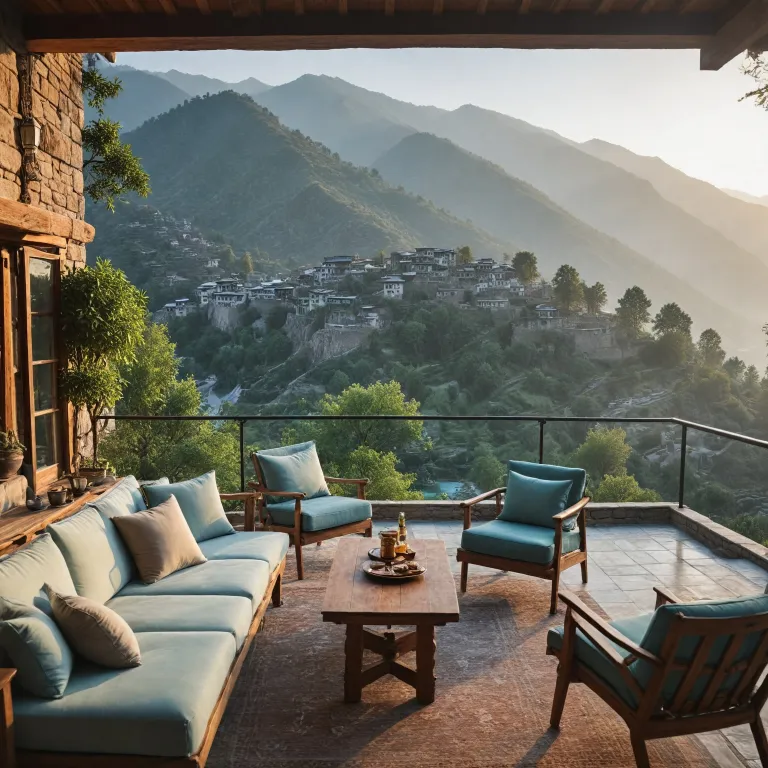
Swat valley Pakistan as a rising luxury destination
Swat valley Pakistan has re-emerged as a refined escape for travellers who value comfort. Once affected by conflict, this valley in northwest Pakistan now welcomes guests with renewed confidence and carefully managed tourism. For discerning visitors, the combination of alpine scenery, cultural depth, and improving infrastructure creates a compelling setting for premium hotel stays.
The wider swat district sits within khyber pakhtunkhwa, a region where the government and Pakistani military have invested heavily in roads, security, and hospitality training. This effort followed extensive operations against Tehrik-i-Taliban Pakistan (TTP), which disrupted tourism and displaced part of the local population. As of 2026, Swat Valley has seen significant improvements in security, with increased police presence and infrastructure development.
For luxury travellers, the capital Mingora in swat district acts as the main gateway, with upscale hotels positioned along the swat river and in the surrounding hills. These properties often highlight curated images of river views, forest slopes, and snow peaks to showcase the area swat landscape. Many high end rooms now integrate subtle references to buddhist heritage, including artwork inspired by the famous buddha swat sculptures and nearby stupa sites.
Travel planners should still verify the current security situation with local authorities before confirming bookings. However, the expected impact of long term stabilisation is clear in the revival of tourism and the growing number of premium and luxury options across valley swat. For guests comparing destinations across central asia and the wider valley northwest corridor, swat Pakistan offers a rare blend of mountain calm, cultural resonance, and attentive Pakistani hospitality.
Choosing the right luxury hotel in swat district
Selecting a luxury hotel in swat valley Pakistan starts with understanding the geography of the valley. Mingora, the administrative capital of swat district, suits travellers who want quick access to restaurants, shops, and transport hubs. Further upstream, upper swat offers quieter riverfront retreats where premium hotels focus on privacy, panoramic views, and personalised service.
When evaluating properties, pay attention to how each hotel integrates the surrounding forest, river, and mountain scenery into its design. Many high end rooms now feature large windows framing the swat river and the valley Pakistan ridgelines, while terraces and lawns are oriented toward sunrise or sunset. This connection to nature is particularly appealing in april, when the valley swat orchards bloom and temperatures remain comfortable for outdoor dining.
Luxury travellers should also consider proximity to key cultural sites, including buddhist ruins, a historic stupa, and the celebrated buddha swat archaeological remains. Hotels that offer guided excursions with trained local experts provide deeper context on the buddhist century heritage that once linked this region to central asia. For guests who value urban sophistication, properties in Mingora combine spa facilities, fine dining, and efficient concierge services for onward travel across khyber pakhtunkhwa.
Those planning a broader itinerary across Pakistan can compare swat Pakistan stays with other premium options, such as elegant stays at Ramada by Wyndham Lahore Gulberg II for discerning travellers, which illustrate how national brands are elevating standards. Reading recent guest reviews and examining updated images of rooms and public spaces helps verify that promised amenities match reality. In a region shaped by rapid change, this careful research ensures that every night in Pakistan swat meets the expectations of a luxury focused visitor.
Heritage, culture, and meaningful experiences in swat valley
Beyond room categories and amenities, the true appeal of swat valley Pakistan lies in its layered history and living culture. The valley once formed a vital crossroads between south Asia and central asia, leaving a legacy of buddhist art, stupas, and monasteries that still fascinates modern travellers. Today, thoughtful luxury hotels curate experiences that connect guests with this heritage while respecting the beliefs of the contemporary Pakistani population.
Guided visits to buddhist archaeological sites near Mingora and in upper swat allow visitors to appreciate how the region flourished over century after century. Many tours include stops at a prominent stupa and the remains of buddha swat sculptures carved into rock faces above the swat river. High quality guides can explain how this valley northwest corridor once linked traders, monks, and artisans across the wider north west frontier.
Cultural immersion also extends to the stories of modern figures such as Malala Yousafzai, whose activism drew global attention to education in Pakistan swat. Some hotels arrange conversations with local educators and community leaders who discuss how the government, provincial authorities, and the Pakistani military supported the return of normal life. These encounters help guests understand how tourism, when managed responsibly, contributes to livelihoods in swat district and strengthens social resilience.
For travellers designing a wider Pakistani itinerary, it is useful to compare these experiences with other unique luxury stays in Pakistan, exceptional hotels, resorts and cultural experiences across the country. This broader perspective highlights how swat Pakistan complements coastal cities and desert landscapes within khyber pakhtunkhwa and beyond. In every case, the most rewarding stays prioritise respectful engagement with local communities, accurate storytelling, and tangible benefits for the area swat economy.
Nature, wellness, and riverfront retreats in valley swat
Nature focused luxury is a defining strength of swat valley Pakistan, especially for travellers seeking wellness and quiet reflection. Many premium hotels position themselves along the swat river, using the sound of flowing water and views of the valley Pakistan slopes as central design elements. Rooms with balconies, river decks, and garden pavilions allow guests to experience the changing light over the forest and peaks throughout the day.
Wellness programmes in swat district often combine spa treatments with gentle outdoor activities such as riverside walks, guided forest hikes, and yoga terraces overlooking valley swat. In april and other shoulder months, temperatures in northwest Pakistan are ideal for these experiences, with clear air and fewer crowds. Some properties also offer tailored nutrition plans using local produce, giving guests a refined introduction to Pakistani cuisine while supporting nearby farmers.
For travellers who appreciate data driven planning, the Pakistan Bureau of Statistics reports that the population of swat district has grown significantly, reflecting renewed confidence in the region. This expanding population supports a more diverse hospitality workforce, including therapists, guides, and chefs trained to international standards. As the government continues to prioritise tourism, infrastructure upgrades along the west frontier routes further improve access to upper swat and remote valleys.
Guests comparing destinations across Pakistan swat and other regions can benefit from curated online resources that highlight where to stay in style, a guide to the best hotels in Karachi, and similar city focused content. These comparisons help travellers balance time between urban luxury and mountain retreats within khyber pakhtunkhwa and the wider north west. Ultimately, the most memorable stays in swat Pakistan blend riverfront tranquillity, attentive wellness services, and seamless logistics from arrival to departure.
Safety, statistics, and responsible tourism in swat Pakistan
Responsible luxury travel in swat valley Pakistan begins with an informed understanding of safety and demographics. Swat district experienced a challenging period when Tehrik-i-Taliban Pakistan (TTP) established strongholds, prompting extensive operations by the Pakistani military. These efforts, supported by local law enforcement and the provincial government of khyber pakhtunkhwa, aimed to restore security, rehabilitate displaced residents, and revive tourism.
Travellers should note that military offensives, community policing, and modern surveillance tools significantly reduced militant activity across valley swat. Authorities advise visitors to verify current advisories, avoid any area with recent incidents, and maintain contact with local guides or hotel concierges. When these precautions are followed, luxury guests can focus on the natural beauty of the swat river, the forested slopes, and the cultural sites that define the valley Pakistan landscape.
Population data from the Pakistan Bureau of Statistics shows that the population of swat district has risen from around 1.26 million to more than 2.3 million, with a density exceeding 400 people per square kilometre. This growth in the area swat population underpins a more robust service economy, including high end hospitality and tourism services. For travellers, these statistics signal both increased capacity and the importance of supporting responsible operators who invest in staff training and environmental stewardship.
Luxury hotels that prioritise sustainability may participate in reforestation projects, river clean ups, or heritage conservation around buddhist sites such as the buddha swat remains and a historic stupa. Guests can ask how each property collaborates with local communities and government agencies to protect the valley northwest environment. By choosing such partners, visitors contribute to a virtuous cycle where tourism revenue reinforces stability, cultural preservation, and long term prosperity in northwest Pakistan.
Planning your premium itinerary across swat and wider Pakistan
Designing a premium itinerary that includes swat valley Pakistan requires balancing time between the mountains and key urban gateways. Many travellers arrive via Islamabad before driving into khyber pakhtunkhwa and onward to Mingora, the capital of swat district. From there, guests can split their stay between city based hotels and quieter retreats in upper swat along the swat river.
When planning dates, consider visiting in april or other shoulder seasons, when the valley Pakistan climate is mild and the forested hillsides are especially vibrant. This timing also allows easier access to buddhist heritage sites, including the buddha swat remains and a nearby stupa, without peak season congestion. Photographers will appreciate the softer light and clearer skies, which enhance images of valley swat landscapes, river scenes, and historic ruins.
Travellers combining swat Pakistan with other regions may include coastal cities, desert forts, or cultural hubs across the west frontier and north west. Comparing hotel standards, service styles, and cultural offerings across Pakistan swat and other destinations helps refine expectations and budget. For example, some guests pair mountain stays with nights in major cities, using data from the Pakistan Bureau of Statistics and local tourism offices to understand population trends and infrastructure quality.
Throughout the planning process, rely on verified information from government tourism departments, reputable travel advisors, and established hotel brands rather than unverified anecdotes. This approach aligns with the principles of credibility, expertise, authority, and trustworthiness that underpin successful luxury travel decisions. With thoughtful preparation, travellers can enjoy the full richness of swat valley, the wider valley northwest corridor, and the diverse cultural landscapes that define modern Pakistani tourism, while honouring the resilience of local communities and figures such as Malala Yousafzai and experts like Luca Maria who have documented the region.
Key statistics for swat valley Pakistan luxury travel
- Population of swat district increased from approximately 1.26 million to more than 2.3 million residents, according to the Pakistan Bureau of Statistics.
- Population density in swat district exceeds 400 people per square kilometre, supporting a diverse service and tourism economy.
- Urban population remains significantly smaller than the rural population, highlighting the importance of community based tourism across the wider area swat.
Essential questions about travelling to swat valley Pakistan
What is the current security situation in swat valley?
As of 2026, Swat Valley has seen significant improvements in security, with increased police presence and infrastructure development. Travellers should still consult updated advisories and speak with local authorities or hotel staff before and during their stay. This ensures that visits to the swat river, buddhist heritage sites, and forested areas remain both safe and enjoyable.
Is it safe to travel to swat valley now?
Travelers are advised to consult current travel advisories and local authorities, as the security situation can change. When guidance is followed and reputable hotels or guides are used, most visitors experience a peaceful stay in valley swat. Responsible planning allows guests to focus on the natural beauty and cultural richness of swat Pakistan.
What are the main attractions in swat valley?
Swat Valley is known for its natural beauty, including lush landscapes, the Swat River, and Buddhist archaeological sites. Luxury travellers can enjoy riverfront hotels, guided visits to buddha swat remains and a historic stupa, and excursions into upper swat forests. These experiences, combined with refined Pakistani hospitality, make the valley Pakistan region a compelling choice for premium stays.
References
- Pakistan Bureau of Statistics
- Khyber Pakhtunkhwa Tourism Department
- Government of Pakistan, Ministry of Interior travel advisories