Chitral, Kalash valleys and the new map of luxury stays
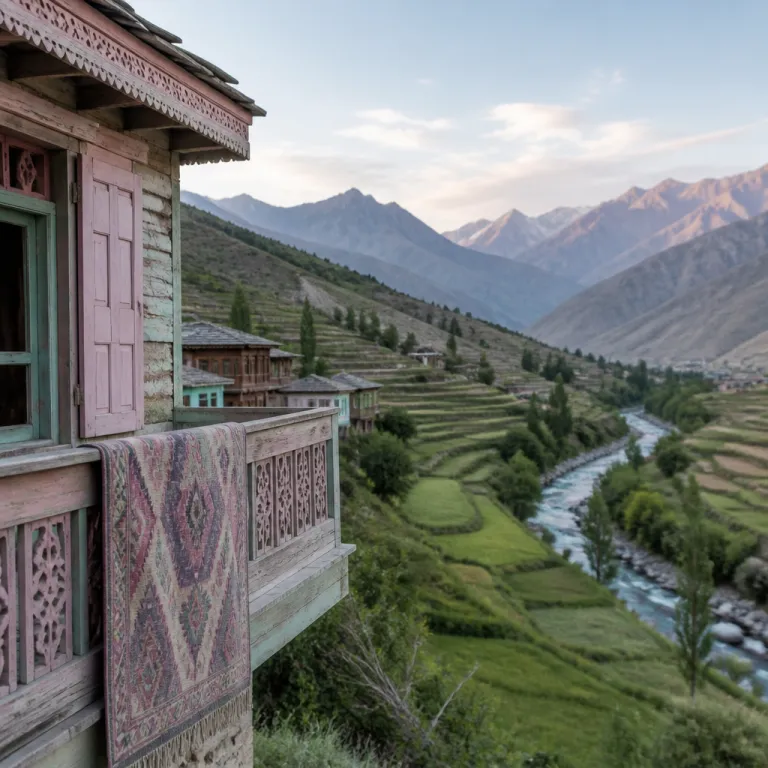
Chitral sits at the quiet edge of Khyber Pakhtunkhwa, where the Hindu Kush folds into three narrow valleys that feel almost outside time. The opening of the Lowari Tunnel reshaped access along the road to Chitral, and with it the entire conversation around where to stay for travelers who once needed days just to arrive. Today, a new generation of hotel and guest house owners is learning how to welcome a more discerning guest without overwhelming the fragile rhythm of valley Kalash life.
The Kalash people, estimated at only a few thousand residents across the region, live in three main valleys including the well known Bumburet Valley, and their festivals set the calendar for serious travel planners. Spring’s Chilam Joshi, summer’s Uchal, autumn’s Phool and winter’s Choimus are not staged shows but living rituals, so any hotel or inn that understands this will gently remind each guest to respect local customs and to seek permission before photographing locals. Local guides explain that “They celebrate seasonal changes and cultural heritage,” that “Access is via Chitral; local guides are recommended,” and that “Are there accommodations in the Kalash Valleys? Yes, basic guesthouses are available for visitors” — three simple sentences that should shape how you plan your stay.
For luxury travelers, the question is no longer whether there is a hotel resort in Chitral Pakistan, but which properties align with responsible travel values. Established addresses in valley Chitral now sit alongside eco minded inn resort concepts and family run guest house clusters in each Kalash valley, and the best of them treat cultural sensitivity as seriously as thread count. Before you check any reviews, decide whether you want a full service resort with a polished front desk or a quieter house with a shared restaurant terrace and a closer view of everyday Kalash life.
From Hindu Kush Heights to village guest houses: reading the spectrum
Hindu Kush Heights Hotel above Chitral town remains the reference point for many travelers, with its wide view over the valley and a standard of service that still feels rare in this corner of Chitral Khyber. Its rooms are not about urban gloss but about solid comfort, reliable hot water and a front desk team that understands both the demands of a tight tour schedule and the unpredictability of mountain weather. When you compare hotels here, you are really choosing between that kind of polished continental hotel experience and the more improvised charm of a village inn or guest house deeper in the Kalash valley.
Serious travelers do well to read long form reviews rather than just star ratings, because in Chitral Pakistan a three star hotel can sometimes deliver a five star stay if the hosts are attentive and the restaurant is thoughtful about both hygiene and local sourcing. This is where a guide such as the practical intelligence piece on hotel booking beyond the engines becomes more useful than any algorithm, especially when you are weighing an inn resort against a smaller house stay. Look for details about whether parking is free on site, how the staff handle late night check in after a long drive through Khyber Pakhtunkhwa, and whether the property can arrange a local guide for a trek rather than outsourcing to an outside tour operator.
Names can be confusing, so read past the labels when you see something called Chitral Inn, Kalash Continental or Resort Kalash on a booking platform. A so called hotel resort might in reality be a simple inn with a handful of room options and a shared continental breakfast, while a place marketed as a guest house could have a better view and more thoughtful service than a larger resort. Always click through to view details, study photos of the house and its surroundings, and then check how the property talks about Kalash culture and the festivals that shape the local calendar.
Inside the Kalash valleys: where to sleep, eat and linger
Once you leave Chitral town and follow the road to Chitral’s side valleys, the scale of accommodation changes quickly from hotel blocks to low slung houses and timber framed inns. In Bumburet Valley, the most visited of the three, you will find the highest concentration of small hotels and guest houses, some with simple room layouts and others experimenting with eco lodge design that blends stone, wood and wide balconies. The best of these places understand that a memorable stay is less about marble and more about the view of terraced fields, the sound of water channels at night and the ease with which a solo traveler can join a village walk or short trek.
Food is where many properties quietly distinguish themselves, and where the idea of a continental restaurant takes on a local accent. Some hotels offer a classic continental breakfast alongside regional dishes, while a few ambitious kitchens in Kalash Continental style properties are learning to reinterpret local grains and dairy for guests who want to eat thoughtfully. If you are traveling with children or planning a multi generational trip, it is worth reading how family friendly properties in other mountain regions handle meals and space — guides to family lodging in Gilgit Baltistan can offer useful benchmarks even if the scale in valley Kalash is smaller.
Practicalities matter in these valleys, so always check whether parking is free, whether the front desk operates around the clock and how the inn or hotel resort handles power cuts. Many guest houses in the Kalash valley will not have the polished systems of a city continental hotel, but they compensate with flexible hosts who will adjust meal times around your tour or trek plans. When you read reviews, pay attention to how guests describe the house staff’s attitude, the cleanliness of the room and the way the property mediates between curious visitors and the privacy of Kalash households.
Responsible luxury: how to be a good guest in a living culture
Staying in the Kalash valleys is not like checking into an anonymous resort, because you are entering a living community whose festivals and rituals predate modern travel by centuries. Cultural tourism has increased in recent years, and with it both economic opportunities and challenges from external influences that can erode language, dress and ritual if not handled carefully. As a guest, your choice of hotel or guest house and your behavior during the stay directly shape whether tourism supports or strains this delicate balance.
Respect begins before you arrive, when you choose tour packages that work with local guides rather than operators who fly in for the season and leave little behind. Look for hotels, inns or inn resort style properties that employ Kalash people at the front desk, in the restaurant and as trek leaders, and that are transparent about how much of your room rate stays in valley Chitral. On the ground, follow three simple rules that every responsible host will echo: respect local customs, dress modestly and seek permission before photographing locals, especially during Chilam Joshi, Uchal, Phool or Choimus.
Luxury in Chitral Khyber is increasingly defined by discretion and cultural literacy rather than by imported fittings, and the most interesting hotel resort projects now fund language preservation or education initiatives alongside their hospitality activity. When you check property descriptions or view details online, notice whether the house mentions supporting Kalash language classes, maintaining traditional architecture or limiting group size during sensitive rituals. This is where a platform like MyPakistanStay, with its focus on reading between the star ratings, becomes invaluable — their guide on interpreting hotel ratings in Pakistan helps you filter for places whose values match your own.
Planning your itinerary: timing, routes and the Shandur effect
Designing an itinerary that includes both Chitral town and the Kalash valleys means thinking in layers: festival dates, road conditions and your own appetite for slow travel. The Lowari Tunnel has shortened the journey along the road to Chitral, but mountain weather and occasional closures still mean that a flexible schedule is wiser than a tightly packed tour. Many seasoned travelers now plan a minimum of three nights in Chitral Pakistan before or after heading into the valleys, using a comfortable hotel as a base to rest, adjust and refine plans with local guides.
Summer brings not only the Uchal festival in the Kalash valley but also the annual Shandur polo event on the high plateau between Chitral and Gilgit, and this combination can strain hotel capacity across the region. If your travel dates overlap with the annual Shandur festivities, book your preferred hotel or inn well in advance and check whether parking is free and secure, as many guests arrive in their own vehicles. During these peak periods, some properties such as Chitral Inn or Kalash Continental may require full prepayment for your room, while smaller guest houses in Bumburet Valley might hold space on trust but expect you to confirm by phone once you reach Khyber Pakhtunkhwa.
Outside festival peaks, autumn is an underrated season for stays in the Chitral and Kalash region, with crisp air, golden fields and quieter guest numbers that allow for longer conversations with hosts. This is an excellent time to combine a gentle trek above valley Kalash with slow afternoons on a hotel terrace, watching light move across the mountains and listening to the muted sounds of village life. Whatever the season, always check the latest travel advice locally, allow buffer days in case the road to Chitral is delayed and remember that in these valleys, the calendar still belongs first to the people who live here.
FAQ
How many Kalash valleys are there and where are they located?
There are three main Kalash valleys in the Chitral District of Khyber Pakhtunkhwa, and they lie southwest of Chitral town along side roads that branch from the main road to Chitral. Bumburet Valley is the most visited, with the highest concentration of hotels and guest houses, while the other two valleys feel quieter and more traditional. All three are reached by vehicle, but road conditions vary with weather, so always check locally before you travel.
What is the significance of Kalash festivals for visitors planning a stay?
Kalash festivals such as Chilam Joshi, Uchal, Phool and Choimus mark seasonal changes and are central to the community’s cultural identity. For visitors, these festivals shape hotel availability, room rates and the overall atmosphere in each valley, with more guests and more ceremonies during peak dates. If you plan to attend, book accommodation early and choose properties that work respectfully with local guides and elders.
Are there luxury level accommodations in the Kalash valleys themselves?
Inside the valleys, most options are small hotels, inns and guest houses, some of which are evolving into eco lodge style properties with better facilities and more polished service. True five star infrastructure is still concentrated in or near Chitral town, where established hotels offer stronger front desk operations, more reliable power and more formal restaurants. Many luxury travelers therefore split their stay between a higher end hotel resort in Chitral and a simpler but well run house or inn within the Kalash valley.
How can I visit the Kalash valleys responsibly as a solo traveler?
Responsible solo travel here starts with choosing tour packages or guides based in Chitral Pakistan, so your spending supports local expertise rather than outside operators. Once in the valleys, dress modestly, ask before taking photos, avoid entering private spaces uninvited and follow your host’s guidance during rituals or festivals. Staying in guest houses or hotels that employ Kalash staff and invest in community projects is one of the most effective ways to ensure your stay has a positive impact.
Is it safe to drive to Chitral and the Kalash valleys by myself?
The road to Chitral has become more predictable since the Lowari Tunnel opened, but it remains a mountain route where weather, landslides and traffic can cause delays. Many experienced travelers drive themselves along the road to Chitral and then hire local drivers for the narrower roads into valley Kalash, especially in bad weather or after dark. Whatever you choose, start early in the day, keep your schedule flexible and confirm with your hotel or inn about current road conditions before setting out.