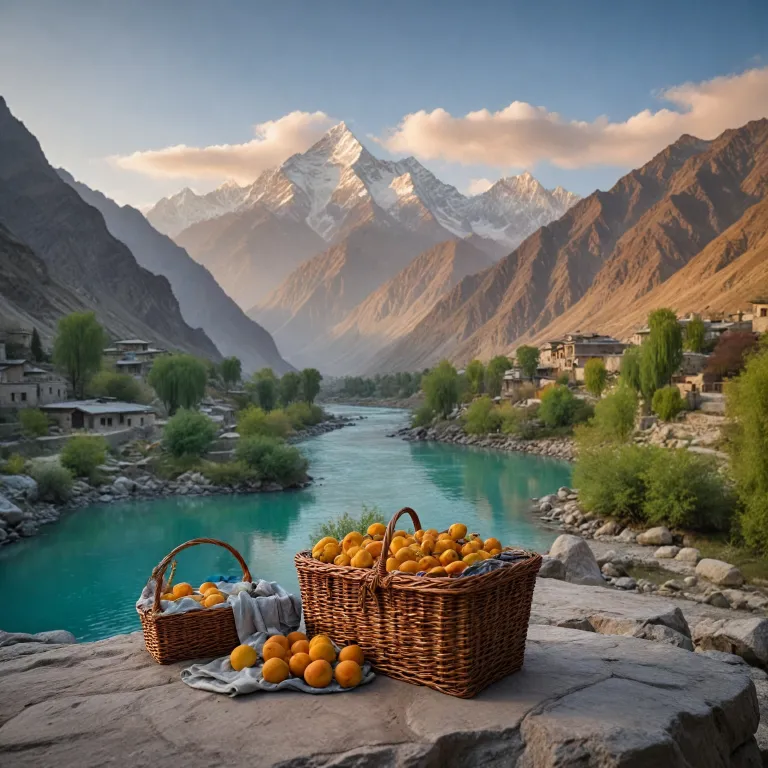
Luxury perspectives on the valley of Hunza for discerning travellers
The valley of Hunza in Gilgit Baltistan attracts travellers who value serenity, culture, and refined comfort. High above the confluence of the Hunza River and the greater valley system, premium properties now blend contemporary amenities with the character of the former princely state. For people planning a trip, the challenge is choosing a hotel that respects local heritage while delivering the level of service expected from a luxury stay.
Karimabad, the main city of Hunza, sits at about 2 438 meters and offers sweeping views of Rakaposhi, Ultar, and the westward ridges that frame the valley. From many hotel terraces, guests can enjoy views Rakaposhi glowing at sunrise, while attentive staff arrange day excursions along the Karakoram Highway towards Gilgit or the high passes. These views are not only an image for social media ; they are a daily backdrop that shapes how people experience time, light, and silence in Hunza Valley.
For a premium booking website focused on Pakistan, curating hotels in Hunza requires more than listing rooms and rates. It means evaluating how each room category, from standard rooms to suites, frames the valley and whether balconies capture Baltit Fort, Altit Fort, or the distant Passu Glacier. It also involves checking how properties engage with Burusho and Wakhi people, ensuring that hospitality teams reflect the literacy and professionalism for which Hunza people are known.
Choosing the right hotel and room types in Hunza Valley
Selecting a hotel in the valley of Hunza begins with clarifying what kind of stay you want. Some people prioritise uninterrupted views of Attabad Lake or the snowfields above Batura Glacier, while others prefer to be close to the historic streets below Baltit Fort. A refined booking platform for Pakistan should allow you to filter hotels by panorama, altitude, and proximity to heritage sites, not only by price or star rating.
Room selection matters just as much as the hotel itself, especially for longer stays. Many hotels in Hunza Valley now offer interconnected rooms for families, corner rooms with dual aspect views, and suites designed as a fort residence style homage to the royal family of the former princely state. When you review room descriptions, look for clear information about heating, insulation, and hot water, because nights in Gilgit Baltistan can be cold even in late spring and in November.
Travellers booking through a premium website should also pay attention to how properties describe their relationship with local communities. The best hotels employ people Hunza from nearby villages, source produce from Nagar Valley, and collaborate with the Aga Khan Development Network on training. When a hotel highlights its work with the Government of Pakistan on sustainable tourism, it signals a commitment to long term stewardship of the valley and its fragile mountain environment.
Heritage stays near Baltit Fort, Altit Fort, and Eagle Nest
Staying near Baltit Fort or Altit Fort allows guests to immerse themselves in the layered history of the valley of Hunza. These forts once housed the mir Hunza and his royal family, and today they anchor a network of restored lanes, traditional homes, and carefully managed viewpoints. A luxury hotel in this part of the city should offer guided walks that explain how the princely state evolved, rather than limiting experiences to generic sightseeing.
Many travellers choose a hotel on the slopes above Karimabad, close to Eagle Nest, to enjoy elevated views of Hunza Valley and the surrounding peaks. From these hotels, sunrise and sunset become daily rituals, with long shadows stretching across the valley floor and the west faces of Rakaposhi turning rose. A well designed booking website should highlight which rooms have direct views Rakaposhi, which overlook Nagar Valley, and which face the Karakoram Highway and Gilgit side.
Within these heritage districts, room categories often reference local history, such as suites inspired by fort residence layouts or decor that reflects Central Asia trade routes. When you read a hotel reply to guest reviews, look for details about noise levels, access to Baltit Fort at night, and the quality of heating in stone walled rooms. This level of transparency helps people plan each day of their trip, especially when travelling with older relatives or children who may need easier access and shorter walks.
Scenic journeys, from Attabad Lake to Batura Glacier and Passu Glacier
For many travellers, the valley of Hunza is part of a longer journey along the Karakoram Highway between Gilgit and the high passes towards Central Asia. Premium hotels that understand this pattern of travel offer flexible check in times, luggage storage, and tailored day trips to Attabad Lake, Passu Glacier, and Batura Glacier. When browsing a booking website, look for hotels that clearly outline these services and provide realistic timings for each excursion.
Attabad Lake, formed after a landslide, now stretches about 21 kilometres and has become a focal point for lake view hotels and day cruises. Properties near the lake should provide life jackets, trained boat operators, and clear safety briefings, especially for people visiting in November when water temperatures drop. High end hotels often arrange private boats, curated picnic baskets, and professional photography so that each image reflects both comfort and respect for the environment.
Further north, hotels near Passu Glacier and Batura Glacier cater to guests interested in trekking and base camp style experiences without sacrificing comfort. These hotels typically coordinate with local guides from Hunza people and neighbouring valleys, ensuring that routes are safe and culturally sensitive. A reliable booking platform for Pakistan should verify guide credentials, altitude safety protocols, and the availability of oxygen or medical support for guests who are new to high mountain travel.
Culture, community, and the role of the Aga Khan Development Network
Understanding the social fabric of the valley of Hunza enriches every hotel stay and every trip. The Burusho and Wakhi people maintain distinct languages and traditions, yet share a strong emphasis on education and community service. This is reflected in the region’s exceptionally high literacy rate, which shapes how hotel staff communicate with guests and manage complex travel logistics across Gilgit Baltistan.
The Aga Khan Development Network has invested heavily in schools, clinics, and infrastructure, helping Hunza Valley balance modernisation with cultural preservation. Its work, in partnership with the Government of Pakistan and local organisations, has supported road improvements, including sections that connect the valley to Gilgit and the wider Karakoram Highway. “The network has played a crucial role in improving education, healthcare, and infrastructure, contributing to the region's high literacy rates and development.”
For travellers, this means that many hotels are staffed by people Hunza who bring both professional training and deep local knowledge. When a hotel reply mentions staff development, language skills, or collaboration with community projects, it often reflects this broader ecosystem of support. Premium booking websites should highlight such initiatives, allowing guests to choose hotels that contribute to long term resilience in the valley, from climate adaptation projects to heritage conservation around Baltit Fort and Altit Fort.
Practical booking tips for luxury stays in Hunza Valley
Planning a refined stay in the valley of Hunza requires attention to timing, altitude, and local conditions. Many travellers prefer late spring and early autumn, while some people enjoy the quieter atmosphere of November, when the valley is calmer and hotel rates can be more flexible. A sophisticated booking website for Pakistan should provide seasonal guidance, including expected temperatures, daylight hours, and road conditions between Gilgit and Karimabad.
When comparing hotels, examine how each property describes its rooms, heating systems, and backup power, as electricity can fluctuate in remote parts of Gilgit Baltistan. Look for clear floor plans, room size in square meters, and balcony orientation, especially if you want views Rakaposhi, Attabad Lake, or the city lights below Baltit Fort. High end travellers may also value information about spa facilities, curated dining that features produce from Nagar Valley, and private transfers along the Karakoram Highway.
Finally, consider how your stay supports the wider community and environment of Hunza Valley. Choose hotels that employ hunza people, respect local customs, and invest in energy efficient systems that reduce pressure on fragile glaciers and water sources. By aligning your travel choices with the values of the former princely state and its royal family, you help ensure that future generations can enjoy the same views, trails, and cultural richness that define this remarkable valley.
Key statistics about the valley of Hunza
- Elevation of Hunza Valley : approximately 2 438 meters above sea level.
- Literacy rate in Hunza Valley : around 97 percent of residents.
- Approximate length of Attabad Lake : about 21 kilometres in total.
- Approximate maximum depth of Attabad Lake : around 109 meters.
- Length of Batura Glacier : about 57 kilometres, making it one of the longest outside polar regions.
Essential questions about travel and hotels in Hunza Valley
What languages are spoken in Hunza Valley?
The primary languages spoken are Burushaski, Wakhi, and Shina. In many hotel settings, staff also speak Urdu and English, which helps international people navigate bookings, transport, and guided day trips. This linguistic diversity reflects the valley’s position between South Asia and Central Asia, and it enhances communication between guests, guides, and local communities.
What are some notable tourist attractions in Hunza Valley?
Key attractions include Baltit Fort, Altit Fort, Attabad Lake, and the Batura Glacier. Many travellers also visit Eagle Nest for panoramic views of Hunza Valley, as well as the glaciers and peaks along the Karakoram Highway. Premium hotels often organise structured itineraries that combine these highlights with quieter walks through villages, orchards, and historic neighbourhoods in the city of Karimabad.
How has climate change impacted Hunza Valley?
Climate change has led to glacial melts, floods, and land erosion, affecting traditional lifestyles and infrastructure. These shifts influence how hotels plan water use, energy systems, and emergency procedures for guests travelling to remote areas such as Passu Glacier or Batura Glacier. Responsible travellers can support resilience in the valley by choosing hotels that invest in sustainable practices and by following local guidance on safe travel routes and seasonal risks.
Trusted references for further planning
- UN World Tourism Organization – reports on sustainable mountain tourism.
- Government of Pakistan, Gilgit Baltistan tourism department – official travel advisories.
- Aga Khan Development Network – information on development and cultural projects in Hunza Valley.