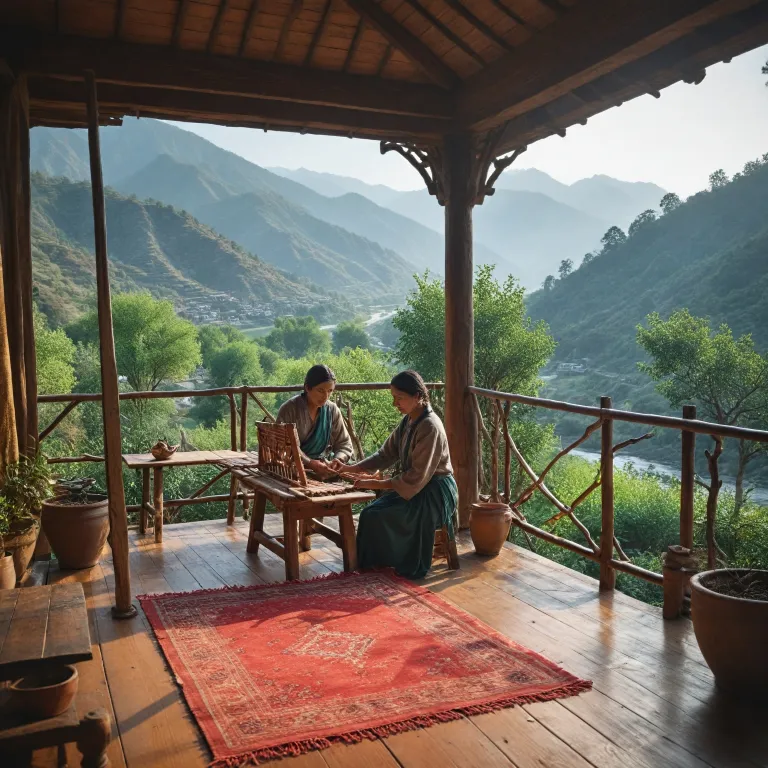
Swat village Pakistan as a rising luxury escape
Swat village Pakistan evokes images of emerald terraces, clear air, and quiet evenings. In this mountain valley of Khyber Pakhtunkhwa, the contrast between rugged peaks and refined hospitality now shapes how premium travelers experience the region. For guests comparing hotels across Pakistan, the area offers a rare blend of alpine calm and deep cultural texture.
The wider Swat Valley sits within a frontier region historically contested by empires, militants, and the modern state. During the period of Taliban rule, many travelers associated the area with conflict rather than tourism, and the Pakistani Taliban presence severely disrupted local life. Today, the Pakistani Army and civil administration emphasize that operations have restored order, and the local government promotes the valley as a secure, high value destination.
For luxury and premium hotel booking, this shift matters as much as thread counts or spa menus. International guests want reassurance that the government and Pakistan Army have stabilized the area, and that tourism supports rather than strains local communities. Swat village Pakistan now appears on curated itineraries that link the Hindu Kush landscapes with refined lodges, riverside resorts, and restored Italian influenced heritage properties.
Upscale travelers often compare the region with the so called Switzerland Pakistan image used in tourism campaigns. In practice, the comparison to Switzerland Pakistan highlights snow capped mountains, a winding river, and a cool climate ideal for a discreet ski resort stay. Yet the real luxury lies in how each village in Pakistan Swat retains its own rhythm, from Mingora’s markets to quieter hamlets along the Swat River.
Landscape, history, and the meaning of luxury in the valley
Understanding Swat village Pakistan for hotel booking begins with geography and memory. The valley stretches across more than five thousand square kilometres, where the Swat River cuts through orchards, forests, and villages framed by the Hindu Kush. For many Pakistani travelers, this region is both a childhood holiday dream and a reminder of news headlines about Taliban rule.
Historically, the area was ruled by local khan families and princely elites who shaped a distinctive form of governance. Their palaces, including the famed White Palace, introduced European aesthetics that later inspired restored Italian style details in some premium properties. When the Pakistani Taliban challenged the rule in Swat, these symbols of refinement became targets, and tourism collapsed.
Today, the Swat District Administration and local government work with the Pakistan Army to maintain security and rebuild confidence. The civil administration coordinates infrastructure, while the military presence reassures visitors that the valley is stable and open for tourism. For hotel guests, this collaboration translates into improved roads, safer access to remote village areas, and better oversight of new luxury developments.
Modern travelers also carry the story of Malala Yousafzai and girls education in Swat in their minds. The attack on Malala Yousafzai by the Tehrik i Taliban Pakistan (TTP) turned a local struggle over girls education into a global symbol of resistance to Taliban rule. Choosing a hotel in Pakistan Swat therefore often feels like a statement of support for a region that has moved beyond the shadow of the Pakistani Taliban.
From conflict narrative to refined tourism experience
For many guests, the decision to stay in Swat village Pakistan starts with a security check rather than a spa brochure. Travelers still remember when the valley was under effective Taliban rule, and when the Pakistani Taliban used the area as a base. The Pakistan Army’s operations, completed several years ago, shifted the narrative from insurgency to restoration and allowed tourism to return.
Local tourism stakeholders now emphasize that the valley is calm, with the civil administration and local government coordinating closely on visitor safety. In practice, this means visible but discreet security near key bridges over the Swat River and on main routes from Peshawar. It also means that luxury hotels can invest confidently in long term projects, from riverside villas to mountain facing suites.
Premium travelers increasingly seek properties that acknowledge the past while focusing on comfort. Some hotels reference the valley restored theme through curated photography, highlighting how villages once under Taliban rule now host festivals and family gatherings. Others support girls education initiatives in nearby schools, linking each booking to scholarships that honour the legacy of Malala Yousafzai.
The comparison to Switzerland Pakistan is often used in marketing, but discerning guests look beyond slogans. They ask how the state and local communities share tourism revenue, and whether the rule in Swat now genuinely benefits residents. When a hotel partners with the Swat District Administration on training programs or with the Pakistan Army on environmental protection, it signals a deeper commitment than simple river views or mountains Swat panoramas.
Choosing luxury hotels across the Swat region
Selecting a premium stay in Swat village Pakistan involves more than scanning star ratings. The valley’s geography means that a hotel’s exact area, altitude, and distance from the Swat River can transform the guest experience. Properties near Mingora offer easier access to the Swat Museum and the Butkara Stupa, while more remote village locations provide quieter views of the Hindu Kush and the mountains Swat skyline.
Many travelers arrive via Peshawar, crossing from the plains of Pakistan into the cooler valley climate. Along the way, they pass through districts where the state once struggled to assert control during Taliban rule, and where the Pakistani Taliban briefly challenged the government. Today, improved roads and checkpoints managed by the Pakistan Army and civil administration make the journey smoother and more predictable.
Luxury hotels in Pakistan Swat increasingly highlight their role in responsible tourism. Some support local government initiatives on waste management along the Swat River, while others fund training for village guides who interpret the region’s Buddhist and Islamic heritage. Guests can ask how each property engages with the Swat District Administration, and whether it contributes to valley restored projects that protect both culture and environment.
Winter focused travelers may look for a ski resort style experience in higher altitude parts of the region. While facilities remain modest compared with Switzerland Pakistan, the combination of fresh snow, steep slopes, and intimate lodges appeals to adventurous skiers. In every case, the most rewarding stays balance refined interiors with meaningful contact with local communities, from shared meals to guided walks through terraced fields.
Culture, community, and the ethics of premium stays
Ethical luxury in Swat village Pakistan means understanding how tourism touches everyday life. Each village in the valley has its own relationship with the river, the land, and the memory of Taliban rule, and premium hotels sit within these living communities. Guests who engage respectfully with local customs often find that the most memorable moments happen outside the lobby.
Many Pakistani families visiting from other parts of Pakistan see the region as a place to reconnect with heritage. They may trace family links to the frontier era, when khan leaders ruled Swat under arrangements with the British Indian state. International visitors, by contrast, often arrive with images of Malala Yousafzai, the Pakistani Taliban, and girls education campaigns, and they seek context from guides and hotel staff.
Leading properties now train teams to explain how the valley restored its social fabric after conflict. Staff can describe how the Pakistan Army, local government, and civil administration coordinated to reopen schools, roads, and markets. Some hotels partner with NGOs to support girls education in nearby villages, turning each night’s stay into a small contribution to long term change.
Architecture also reflects this blend of past and present. The White Palace, with its restored Italian inspired details, has become a reference point for designers who want to echo the elegance of earlier centuries without copying it. When a hotel uses local stone, river worn wood, and views of the mountains Swat instead of generic glass towers, it honours both the landscape and the people who have long ruled and tended this area.
Practical booking strategies for premium stays in Swat
Planning a luxury trip to Swat village Pakistan requires attention to timing, transport, and booking channels. The valley’s climate shifts sharply between seasons, with snow in higher areas and milder weather along the Swat River. Guests seeking a ski resort atmosphere should target colder months, while those prioritizing riverside walks and village markets may prefer late spring or early autumn.
From major cities in Pakistan, most travelers route through Peshawar or Islamabad before driving into the region. It is wise to confirm current road conditions with the Swat District Administration or hotel concierge, as the state occasionally adjusts security protocols. Premium booking platforms focused on Pakistan Swat, such as specialist luxury hotel guides in Pakistan, can provide updated advice on both safety and service standards.
When comparing properties, look beyond generic labels and examine how each hotel relates to its immediate area. A riverside lodge may offer direct access to the Swat River and nearby village paths, while a hilltop retreat emphasizes panoramic views of the Hindu Kush and the wider valley. Ask whether the hotel participates in valley restored initiatives, supports local government programs, or collaborates with the Pakistan Army on community security.
Ethical travelers also consider how their stay intersects with the legacy of Taliban rule and the story of Malala Yousafzai. Some guests choose hotels that fund girls education projects or that host cultural evenings featuring local music and storytelling. In a region once overshadowed by the Pakistani Taliban, such choices help ensure that tourism strengthens both the economy and the social fabric of Swat and the broader frontier region between Pakistan and India.
Swat village Pakistan in the wider map of luxury travel
Positioning Swat village Pakistan within global luxury travel means comparing it with more established alpine destinations. The Switzerland Pakistan label captures the visual drama of the valley, with its snow capped mountains Swat, glacial streams, and terraced fields. Yet the region’s layered history, from ancient Buddhist sites to recent Taliban rule, gives it a narrative depth that many ski resort towns elsewhere lack.
For Pakistani travelers, the area offers an alternative to international trips to India, Central Asia, or Europe. They can experience cool mountain air, refined hospitality, and riverfront dining without leaving Pakistan, while also supporting the state’s efforts to promote domestic tourism. International guests, meanwhile, often see a stay in Pakistan Swat as a way to understand how a frontier region has moved from conflict to carefully managed tourism.
Luxury hotels that succeed here tend to align closely with the Swat District Administration, local government, and civil administration. They respect zoning rules, protect riverbanks, and contribute to valley restored projects that safeguard both heritage and environment. When the Pakistan Army and civilian authorities see tourism as a partner rather than a problem, the rule in Swat becomes more resilient and inclusive.
As one official summary notes, “As of 2026, Swat Valley is considered stable, with no significant militant activity reported.” This assurance, combined with visible investment in roads, schools, and girls education, reassures guests who still associate the area with the Pakistani Taliban and Malala Yousafzai. In this context, each carefully chosen hotel stay becomes part of a broader story in which the river, the valley, and every village contribute to a more confident future for Pakistan.
Key statistics about Swat Valley and tourism
- Total area of Swat District is approximately 5 337 square kilometres, combining mountains, river valleys, and cultivated village land.
- The population has increased to more than 2.68 million residents, reflecting steady growth in both urban and rural areas.
- Male literacy in the region stands at around 61.83 percent, while female literacy is approximately 33.95 percent, highlighting ongoing gaps in girls education.
- Authorities report a stable security situation, which has encouraged renewed investment in tourism and premium hospitality.
Essential questions about Swat village Pakistan for travelers
What is the current security situation in Swat Valley for hotel guests ?
Authorities state that the valley is stable, with no significant militant activity reported in recent years. The Pakistan Army maintains a presence along key routes, while the civil administration and local government coordinate checkpoints and emergency services. Travelers should still verify conditions before departure, but most premium hotels now operate without disruption.
What are the main attractions near luxury hotels in the Swat region ?
Guests can combine high end stays with visits to the Swat Museum, the Butkara Stupa, and scenic stretches of the Swat River. Many properties arrange guided excursions to traditional village areas, viewpoints over the Hindu Kush, and historical sites linked to earlier centuries of rule in Swat. Seasonal activities may include light trekking, river picnics, and limited ski resort style experiences in higher altitude zones.
How has population growth affected tourism and infrastructure in Swat ?
Rising population in both Mingora and surrounding villages has increased demand for roads, schools, and health services. In response, the state, local government, and Swat District Administration have invested in infrastructure that also benefits tourism, from improved highways to better power supply for hotels. This growth creates both opportunities and responsibilities for luxury properties, which must manage resources carefully while supporting community needs.