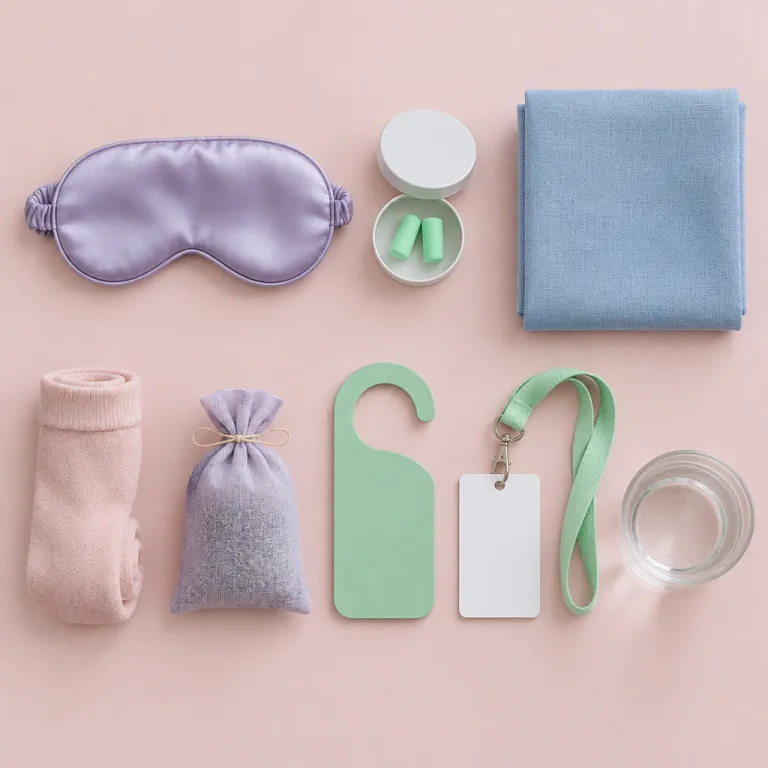
Why sleep tourism in Pakistan is the wellness travel trend to watch
Sleep tourism in Pakistan quietly aligns with the most advanced wellness travel thinking. Around the world, restorative travel is shifting from performance oriented spa menus toward nervous system care, deep rest, and clinically informed sleep health. For business leisure travelers extending a Karachi boardroom week into a Gilgit retreat, the new luxury is not another treatment but a dedicated sleep experience that actually restores.
Pakistan’s northern hotel landscape is almost accidentally designed for this new travel trend. Altitude cooled night air, low traffic noise, and near zero light pollution create natural conditions for sleep focused stays that rival far more famous wellness retreats in Bali or Thailand. At properties such as Luxus Hunza, Serena Khaplu Palace, and Shangrila Resort Skardu, guests already report “the first eight hour sleep I’ve had in months,” as one Islamabad based executive described after a three night stay in a lake facing suite in Skardu.
For executives used to hyper connected city hotels, this country’s weaker infrastructure becomes a wellness asset. Patchy Wi Fi, simple room layouts, and remote locations support sleep inducing silence and a slower rhythm that encourages restorative sleep instead of late night screen time. As one general manager in Hunza put it, “Our biggest wellness feature is what guests don’t hear after 10 p.m.” The opportunity for Pakistan’s luxury hotel group operators is clear: position selected rooms and suites as sleep tourism sanctuaries, with wellness offerings and sleep rituals that justify premium rates for guests who value rest over spectacle.
From spa treatment to sleep program: how hotels can design for deep rest
Traditional spa experiences in Pakistan’s luxury hotels still matter, but they are no longer enough for serious wellness travel. The most forward looking properties are starting to design entire stays around sleep quality, using spa time as a supporting act rather than the main event. A well structured sleep program can turn a standard wellness stay into a focused travel experience where every touchpoint, from check in to turndown, is calibrated for deep rest.
Think of a Gilgit or Hunza hotel that pairs a minimalist spa with a dedicated sleep suite, rather than another marble clad hydro circuit. At Luxus Hunza, for example, lake view rooms already combine quiet corridors with firm mattresses and layered duvets; a future sleep wing could add sound insulated doors and individually controlled fresh air vents to keep mountain nights crisp without noisy fans. Add a menu of sleep inducing rituals, from warm oil head massages to low light yoga meditation, and you have wellness retreats that compete directly with high end Bali sleep tourism products.
Service design is where Pakistan can leapfrog older wellness tourism markets. Instead of late night live music, the perfect evening for sleep focused guests might be a guided meditation session followed by herbal tea and a no Wi Fi after 22.00 policy in dedicated sleep floors. Readers planning their own wellness travel can study properties already taking spa seriously through resources such as this spa focused Pakistan hotel itinerary, then ask directly how far each hotel has moved toward sleep tourism specific experiences.
Mountain quiet, dark skies and the irony of infrastructure
Pakistan’s northern valleys offer some of the quietest hotel environments in Asia for travelers who value sleep. Away from domestic international flight paths and dense highways, many properties in Hunza, Skardu, and the Kaghan Valley sit above villages where traffic thins after dusk and the only night sound is river water. For sleep tourism in Pakistan, this natural soundscape is a wellness asset that no urban spa can replicate, and it aligns with sleep science showing that even moderate noise can fragment deep sleep stages.
Light pollution is equally low, which matters more than most guests realise for sleep quality and circadian rhythm regulation. Research from institutions such as Harvard Medical School has highlighted how evening exposure to bright or blue rich light suppresses melatonin, the hormone that signals the body to prepare for sleep. When a hotel keeps exterior lighting soft and installs proper blackout curtains, rooms can reach a level of darkness that supports melatonin production and truly restorative sleep. Ironically, the same simple construction and limited infrastructure that once felt like a disadvantage now position these quiet hotels at the forefront of global wellness travel trends.
Connectivity gaps also work in favour of sleep focused travellers. Patchy mobile data and intentionally weak in room Wi Fi reduce doom scrolling and late night email, nudging guests toward analog sleep rituals like reading, stretching, or slow breathing before bed. For readers interested in how Pakistan’s older wellness traditions, from hammam culture to forest bathing, intersect with modern sleep tourism, the piece on Pakistan’s pre spa wellness traditions offers useful context for choosing hotels that respect both local heritage and contemporary wellness offerings.
What a sleep focused room in Pakistan should actually include
For sleep tourism in Pakistan to compete with established wellness retreats, room hardware must match the landscape’s natural advantages. At a minimum, a serious sleep focused room should offer high quality mattresses, layered bedding for temperature control, and a choice of pillows through thoughtful pillow menus. Blackout curtains need to be properly fitted to block mountain dawn light, not just decorative drapes that leak brightness at 05.00.
Air quality is another underused strength in Pakistan’s highland hotels, where crisp, dry air can support deeper rest than many coastal resorts. Rooms designed for restorative sleep should allow guests to choose between fresh air ventilation and quiet mechanical cooling, avoiding the drone of old air conditioners that sabotage wellness travel ambitions. Lighting controls matter too; dimmable warm light, bedside switches, and low level night lamps help guests maintain sleep rituals without harsh blue light.
Software matters as much as hardware for discerning travellers. A dedicated sleep program might include pre arrival questionnaires about sleep patterns, in room yoga mats with printed yoga meditation sequences, and short audio tracks for guided meditation in both English and Urdu. Hotels that position themselves as leaders in sleep tourism Pakistan quiet hotels wellness should train staff to speak confidently about rest, recommend specific experiences or retreats on property, and coordinate with spa teams so that treatments, meal times, and even late check out all support a single goal: unbroken, high quality sleep.
How executives can book for wellness, sleep and stillness on mypakistanstay.net
Business leisure travelers using mypakistanstay.net to plan wellness travel in Pakistan can already filter by spa, views, and room type, but the real art lies in reading between the lines. When a hotel description emphasises quiet wings, limited inventory, and mountain or garden facing rooms, that usually signals better conditions for sleep tourism than a property selling nightlife or event spaces. Look for language about wellness offerings, pillow menus, and blackout curtains, then follow up directly with the hotel to confirm which specific rooms are designed for deep rest.
For executives flying in on domestic international routes, the first night is often the hardest for sleep. One strategy is to book a city hotel with a clear sleep focused narrative for the arrival night, then move to a northern retreat where air quality, silence, and darkness complete the wellness experience. During the city stay, choose properties that offer yoga or yoga meditation classes, in room guided meditation content, and spa menus with sleep inducing treatments scheduled early in the evening rather than late at night.
Food timing and composition also shape sleep quality more than many guests expect. When browsing hotel listings, pay attention to whether properties can serve lighter dinners, herbal infusions, and early breakfasts that respect both rest and early departures. A simple booking checklist can help: confirm blackout curtains and pillow menus, ask for rooms away from generators or event lawns, request early evening spa slots, and check whether late check out is possible after long haul arrivals. For more context on how serious hotels in Pakistan are rethinking F&B for wellness minded guests, the guide to Lahore hotel restaurants beyond the buffet shows how culinary experiences can support, rather than sabotage, restorative sleep and overall wellness tourism goals.
FAQ
What is sleep tourism and how does it apply to Pakistan ?
Sleep tourism is a form of wellness tourism where the primary goal of travel is to improve sleep quality and achieve deep rest rather than to sightsee or attend events. In Pakistan, this often means choosing quiet mountain hotels with dark skies, clean air, and rooms designed for restorative sleep instead of only booking for views or proximity to attractions. Travellers focused on sleep tourism Pakistan quiet hotels wellness should look for properties that offer sleep focused amenities such as blackout curtains, pillow menus, and calming wellness offerings like guided meditation or yoga.
Which regions in Pakistan are best for restorative sleep focused stays ?
The northern areas, including Hunza, Skardu, Gilgit, and the Kaghan Valley, are particularly strong for sleep tourism because of their low light pollution, minimal traffic noise, and naturally cool night air. Many hotels in these regions are small enough to maintain a calm atmosphere, which helps guests maintain sleep rituals and enjoy uninterrupted rest. For travelers who prefer to stay closer to major airports, quieter hill stations near Islamabad and Murree can also provide wellness retreats with better sleep quality than dense city centres.
What should I ask a hotel before booking a sleep oriented stay ?
Before confirming a reservation, ask whether the hotel has blackout curtains that fully cover the windows, and whether any rooms are located away from generators, kitchens, or event spaces. It is also useful to ask about pillow menus, mattress type, and whether the property can reduce Wi Fi signals or noise in certain wings for guests prioritising restorative sleep. Finally, enquire about wellness offerings such as yoga meditation, spa treatments timed for early evening, and any dedicated sleep program or guided meditation content available in room.
Can I combine business travel with wellness and sleep tourism in Pakistan ?
Many executive travelers now extend work trips into short wellness retreats, and Pakistan is well suited to this blended style of travel. A common pattern is to handle meetings in Karachi, Lahore, or Islamabad, then fly on a domestic international connection to a northern hotel designed for quiet, rest, and wellness. When booking through platforms such as mypakistanstay.net, look for hotels that explicitly mention wellness travel, sleep focused services, and experiences or retreats that can be comfortably enjoyed over a long weekend.
Are Pakistan’s spa and wellness offerings competitive with destinations like Bali ?
Pakistan does not yet match Bali in terms of the sheer number of wellness retreats, but it offers something different that sleep tourism guests value highly : silence, darkness, and unspoiled air. While spa menus may be simpler, the combination of mountain landscapes, local herbal traditions, and naturally sleep inducing environments can deliver a powerful wellness experience. For travellers who care more about genuine deep rest than elaborate spa architecture, Pakistan’s best hotels already provide a level of stillness that many Bali properties, surrounded by busy roads and nightlife, struggle to match.